






Here at LoveReading, as you might have guessed by now, we adore books. You can meet hundreds of people, visit thousands of places, battle mythical creatures, fall in love, rule an unfamiliar land and still be back in time for tea. Different authors bring a variation of people and place, showing you a world through the unique filter of the author’s knowledge, experience, opinions and imagination. It is important to highlight the restrictions put in place to help silence an author’s voice, especially when that voice is already from an under-represented group that struggles to get published in the first place due to a traditional lack of diversity.
We feel that everyone should have the freedom to read books that interest them most and all authors should have the chance to share their story. Banned Books Week is an initiative first launched in the USA in 1982 in a response to the sudden increase in the number of attempts to have books removed or restricted in schools, bookstores, and libraries.The intention behind Banned Books Week is to encourage everyone to have the freedom to read what they would like, despite the disagreements and contentions of certain parties. According to the American Library Association, there have been 11,300 challenged books. That’s 11,300 voices muted or effectively silenced for the readers who may want or need to hear their stories.
At this year's Bookseller's Children's Conference, Pen America statistics showed that in the US, book bans recorded per school year between July 1st 2021 and June 30th 2024 had skyrocketed from 2532 to over 10,000 and counting.

However in a world of social media and the internet, when voices and views are shared internationally as easily as they are with your neighbour, Banned Books Week is an initiative that resonates worldwide.
This year, Index on Censorship in partnership with International Publishers Association and Hay Festival Global, are bringing back Banned Books Week UK from the 5th to the 11th October. This is a week for honouring the right to read freely. It's a week to celebrate the books that have been challenged, removed or silenced. It's a week to stand with the people who write, sell and share them.
Who are Index on Censorship?
The Index on Censorship is a nonprofit that defends people’s freedom to express themselves without fear of harm or persecution. For more than 50 years the Index on Censorship has fought to ensure no voice is ever silenced. And right now they’re fighting harder than ever.
From winning prestigious media awards, to securing legal reforms and freeing individuals unjustly imprisoned, the Index for Censorship works globally with a team consisting of passionate journalists, policy experts, researchers and campaigners who are dedicated to uncovering the truth about censorship.
School and Public Libraries Tackling Censorship
We shared a piece on our LoveReading4Schools blog reporting that a special investigation showed that more than half of UK school librarians surveyed by Index have been asked to remove books from their shelves. In response to this statistic the Society of Authors, the Chartered Institute of Library and Information Professionals and the School Library Association issued a joint statement on censorship in school libraries. Censorship through schools and school libraries for children, and for everyone through libraries and bookshops is a threat to freedom to read, learn, ask questions and access information. It’s critical that we empower ourselves by having access to diverse and inclusive reading opportunities.
To help library professionals “counter the disturbing effects of censorship”, in August the Chartered Institute of Library and Information Professionals (CILIP) launched the Intellectual Freedom Committee. The backdrop against which this committee has been launched shows challenges predominantly in the US, with requests in the UK to have books banned or removed being rare and anecdotally requests by individuals as opposed to organised campaigns. In a recent Bookseller article CILIP has been quoted as being “in conversations with funders and publishers about doing some proper research” into the issue of censorship due to the current lack of evidence beyond the anecdotal.
But I’ve read these books, why were they banned?
By ‘banned’, Banned Books Week refers to any book, play or poems that have been censored, banned or where its removal or restriction has been called for from libraries, schools, bookshops or public circulation. A book might have been challenged by individuals or private pressure groups and governments that disagree with the content and message and therefore would seek to censor or silence the author’s voice.
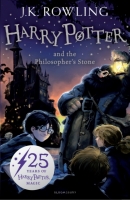
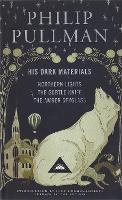
Books are challenged for a number of different reasons. Mainly that they deal with issues such as drugs or sex, contain bad language or include or feature topics that could be contentious to certain groups of people. Whether it was felt that the books ‘promoted atheism and attacked Christianity’ (Philip Pullman’s His Dark Materials), ‘promotes Occultism’ (The Harry Potter Series, J.K. Rowling), ‘depicts a transgender child and its supposedly offensive viewpoints’ (I am Jazz, Jessica Herthel and Jazz Jennings) or contains the ‘frank portrayal of gender fluidity [that caused fear] it would encourage female homosexuality’ (The Well of Loneliness, Radclyffe Hall).
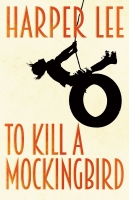
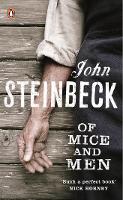
On a personal note, it amazes me that some of the titles challenged between 2002-2018 compiled here by the NCTE are considered classics you’d expect to be on a school’s curriculum (I studied Of Mice and Men in High school, The Kite Runner in college and read To Kill a Mockingbird in my free time as a teenager). The contention of “offensive slurs” may be valid, but these are opportunities for discussion about our history, reflecting on issues as a product of the time and circumstances in the book and a reflection of the divisions in society then, not a promotion of the same divisions now. What good does it do to hide from the past and pretend we were better than we were? Award-winning author Mildred Taylor had her book The Land banned in southern states of the US, and she commented:
“Although there are those who wish to ban my books because I have used language that is painful, I have chosen to use the language that was spoken during the period, for I refuse to whitewash history. The language was painful and life was painful for many African Americans, including my family. I remember the pain.”
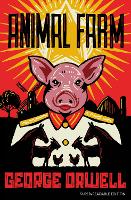
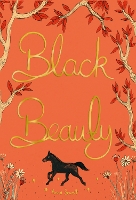
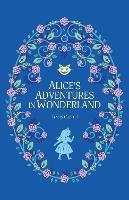
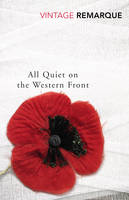
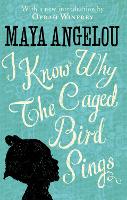
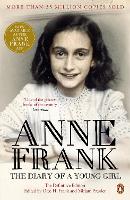
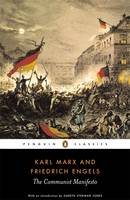
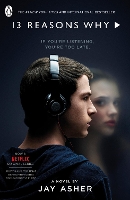
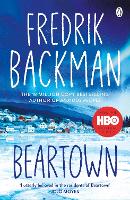
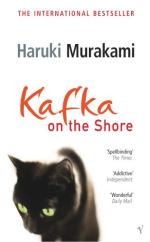
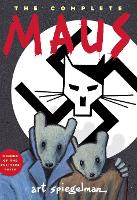
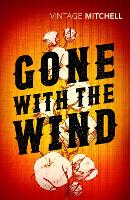
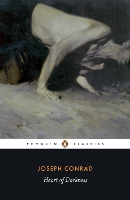
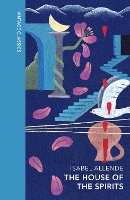
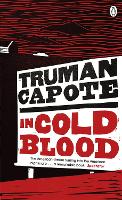
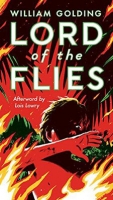
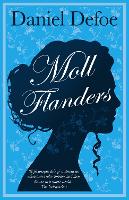
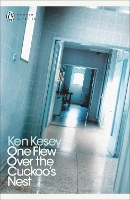
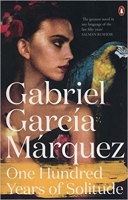
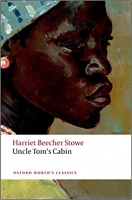
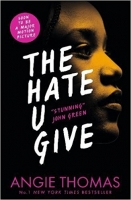
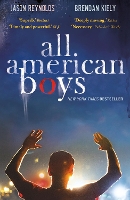
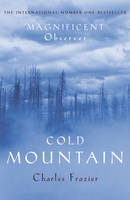
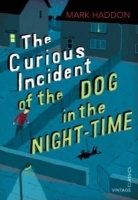
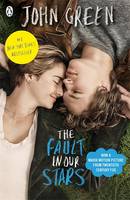
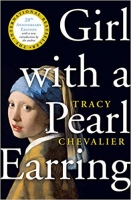
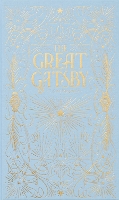
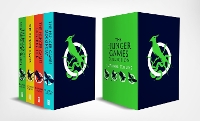
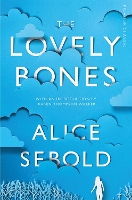
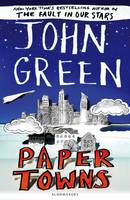
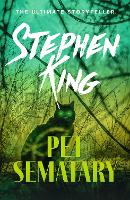
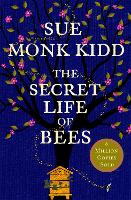
No matter what time of year it is you’ll find a collection of books below that have been challenged, banned and censored over the years. Be rebellious and browse to see how many of the books on this list you, your friends and family have read. And with a sense of proud defiance pick a couple of new titles to add to your reading list.

-140x200.jpg)


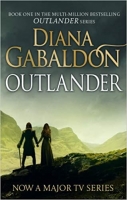
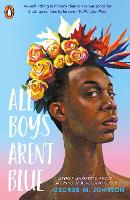
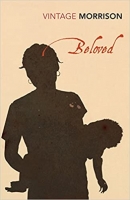
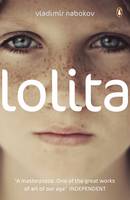
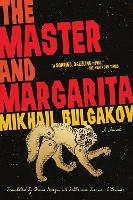
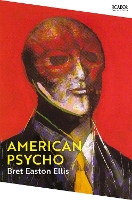
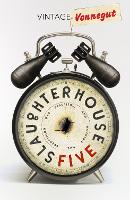
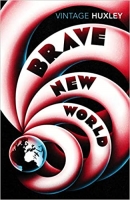

-132x200.jpg)






Comments (0)
Leave A Reply
You must be logged in to post a comment.