

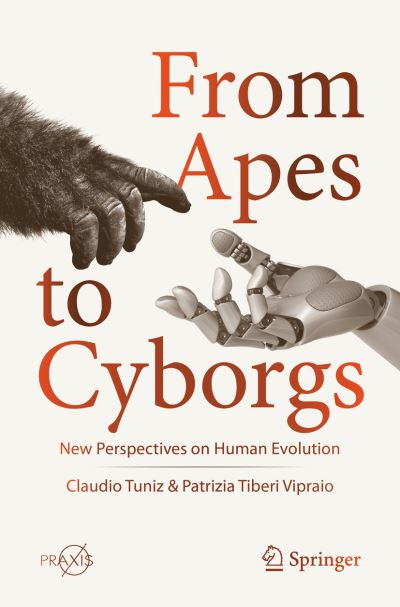
This book offers fascinating insights into the lives of our ancestors and investigates the dynamic processes that led to the establishment of complex human societies. It provides a holistic view of human history and social evolution by drawing on the latest evidence from a wide range of disciplines and proposes new hypotheses on the origins of human behaviour. After exploration of the encounters of Homo sapiens with other human species, diverse aspects of life in emerging societies are examined, including clothing, work, leisure, learning, diet, disease, and the role of women. Attention is drawn to the key role of self-domestication - the process of reducing natural aggression and increasing playfulness - in enabling survival. Another focus is Homo oeconomicus. The significance of symbolic thought for the emergence of surpluses in goods and services is highlighted, with analysis of how this led to private accumulation of wealth and development of the first hierarchical societies. Finally, the discussion turns to humans of the future and the potential risks posed by artificial intelligence. The aim is to unveil the deep roots of our social behaviour and how it is going to intertwine with the development of digital technologies and social networks.
| ISBN: | 9783030365219 |
| Publication date: | 1st March 2020 |
| Author: | Claudio Tuniz, Patrizia Tiberi Vipraio |
| Publisher: | Springer an imprint of Springer International Publishing |
| Format: | Paperback |
| Pagination: | 174 pages |
| Series: | Springer Praxis Books |
| Genres: |
Sociology Evolution Neurosciences Anthropology Archaeology Interdisciplinary studies |
This book offers fascinating insights into the lives of our ancestors and investigates the dynamic processes that led to the establishment of complex human societies. It provides a holistic view of human history and social evolution by drawing on the latest evidence from a wide range of disciplines and proposes new hypotheses on the origins of human behaviour. After exploration of the encounters of Homo sapiens with other human species, diverse aspects of life in emerging societies are examined, including clothing, work, leisure, learning, diet, disease, and the role of women. Attention is drawn to the key role of self-domestication - the process of reducing natural aggression and increasing playfulness - in enabling survival. Another focus is Homo oeconomicus. The significance of symbolic thought for the emergence of surpluses in goods and services is highlighted, with analysis of how this led to private accumulation of wealth and development of the first hierarchical societies. Finally, the discussion turns to humans of the future and the potential risks posed by artificial intelligence. The aim is to unveil the deep roots of our social behaviour and how it is going to intertwine with the development of digital technologies and social networks.
From Apes to Cyborgs Popular Science features in the following genres: Sociology, Evolution, Neurosciences, Anthropology, Archaeology, Interdisciplinary studies
From Apes to Cyborgs Popular Science is available in Paperback
From Apes to Cyborgs Popular Science was written by Claudio Tuniz, Patrizia Tiberi Vipraio and published by Springer an imprint of Springer International Publishing
From Apes to Cyborgs Popular Science has 174 pages
Yes it is part of Springer Praxis Books series
£26.99