



For years, romance was one of publishing's most misunderstood genres. Then came BookTok. Everything we knew was turned on it head. Romance - often the forgotten cousin, the guilty pleasure - was out. Loud and proud. Suddenly, romance wasn't simply dominating bestseller charts; it was driving them. Entire bookshops were dedicating tables to romantasy, enemies-to-lovers stories and spicy contemporary fiction. Readers were shouting from the rooftops about their adoration for romance. Sharing recommendations with a passion usually reserved for their favourite TV series or sporting teams.
At the darker end of that spectrum, another genre has emerged as one of publishing's most talked-about phenomena: dark romance. It's a genre that inspires devotion, debate and quite often, controversy. Whether readers love it, hate it or remain curious about it, there is no denying its impact. Dark romance has become one of the most commercially successful trends in modern fiction, fuelled by social media, reader communities and a generation of readers eager to explore stories that push beyond traditional romantic conventions. Push boundaries. Right to the limit.
What Is Dark Romance?
The definition isn't always straightforward. Unlike traditional romance, dark romance deliberately introduces elements of danger, obsession, moral ambiguity and power imbalance. These books explore characters who are flawed, damaged or operating far outside the conventional. In some cases, vastly outside.
That doesn't necessarily mean violence or explicit content, although such themes are often present. Instead, dark romance asks readers to explore uncomfortable questions. Can damaged people change? And why are we fascinated by characters who break the rules?
At its best, dark romance shares some of its DNA with gothic fiction. Long before readers were discussing "morally grey heroes" online, literature gave us Heathcliff in Wuthering Heights, Mr Rochester in Jane Eyre and Maxim de Winter in Rebecca.
Why Readers Love It
Part of the appeal of dark romance lies in the intensity. We're talking heightened emotions, high stakes and relationships that feel - and often are - all-consuming. These are unapologetically escapist stories: fictional worlds where emotions are amplified and readers can safely explore fears, desires and moral dilemmas from a distance.
The genre also reflects a broader shift in modern publishing. Readers increasingly seek complex characters rather than perfect heroes and heroines. They want stories that challenge expectations and don't always deliver easy answers.
For many readers, dark romance isn't about endorsing the behaviour of its characters. It's about exploring the psychology behind them.
That is where tropes come in. If you've spent any time on BookTok, you'll know that readers don't just recommend books - they recommend tropes. These familiar story frameworks help readers find the themes, character dynamics and emotional journeys they enjoy most. Its a language of its own, helping readers discover exactly the kind of story they're looking for.
The Dark Romance Books Everyone Is Talking About
For readers curious about the genre, these are some of the most influential and widely discussed dark romance novels of the past few years.
Morally Grey Heroes
Perhaps the defining dark romance trope, the morally grey hero sits somewhere between villain and love interest, forcing readers to question where they draw the line between right and wrong.
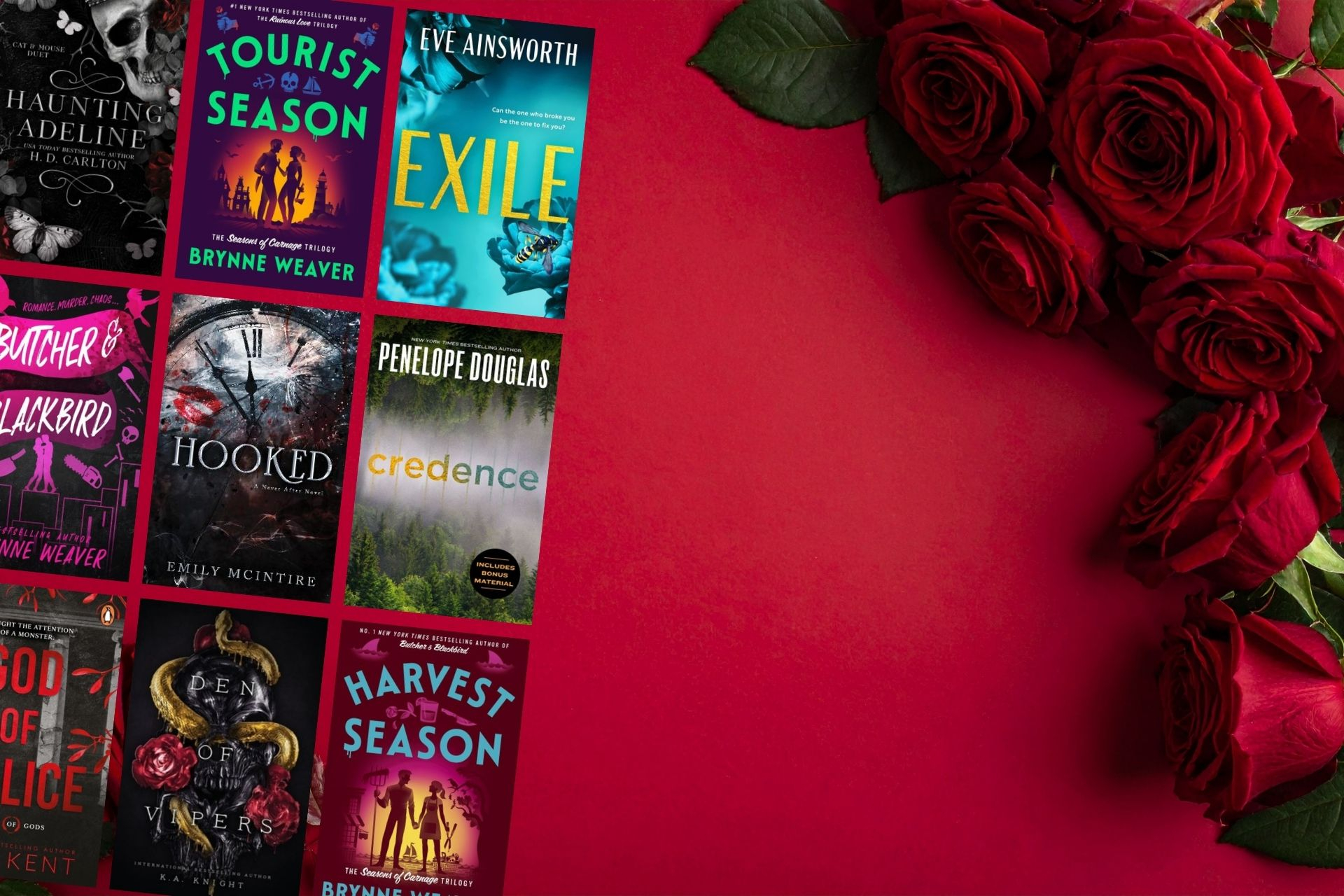
Haunting Adeline by H.D. Carlton is arguably the book that brought this trope into the mainstream. Blending obsession, suspense and psychological tension, it became one of the most talked-about books on BookTok and introduced thousands of readers to dark romance.
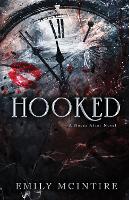
Readers looking for another dark and compelling anti-hero may also enjoy Hooked, a twisted Peter Pan-inspired romance that reimagines one of fiction's most iconic villains.
Obsession
Dark romance thrives on emotional intensity, and few tropes are more intense than obsession. These are stories where attraction becomes fixation and the emotional stakes are pushed to their limit.
Lights Out by Navessa Allen became one of the breakout successes of 2024, combining contemporary romance with dark themes and an obsessive connection that readers found impossible to put down.
For readers who like their romances darker still, The Ritual has become a cult favourite thanks to its secret society setting, power dynamics and deeply addictive atmosphere.
Touch Her and Die
This trope centres on fierce protectiveness. The hero may be dangerous, but anyone who threatens the heroine quickly discovers where his loyalties lie.
God of Malice by Rina Kent delivers this trope in abundance. A dark mafia romance packed with danger, possessiveness and tension, it is not for the faint-hearted but has become a huge hit with readers who enjoy darker, more unconventional romances.
Enemies to Lovers
Few tropes create more delicious tension than two people who distrust, dislike or actively oppose one another before attraction begins to simmer beneath the surface.
Quicksilver by Callie Hart combines romantasy and dark romance to spectacular effect. Awarded a LoveReading Star Book, it offers magic, betrayal, danger and a relationship built on conflict and irresistible chemistry.
Redemption
At its heart, dark romance often asks whether damaged people can change and whether love can offer a path towards healing.
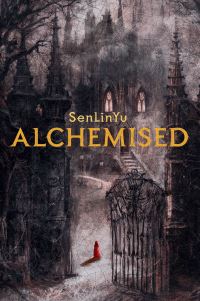
Alchemised by SenLinYu is one of the most fascinating books to emerge from the genre in recent years. Reimagined from hugely successful online fiction, it explores memory, identity, power and redemption against the backdrop of a war-torn world shaped by alchemy and necromancy.
Dark Romance with a Twist
Not all dark romance fits neatly into one category. Some books blend romance with thriller, mystery, fantasy, comedy or horror elements to create something entirely unique.
Exile by Eve Ainsworth offers a darker domestic noir flavour, weaving romance, secrets and the corruption of wealth into a Cinderella-esque set-up. As the story twists towards an explosive finale, readers are drawn through a web of doubt, deception and dangerous attraction.
Meanwhile, Brynne Weaver has become one of the genre's most exciting voices. Tourist Season is the start of a brand new series, of which LoveReading Content Manager Charlotte Walker commented: "Small town romance has never been so hot - or deadly - as this dark romance combines murder, black humour, secrets and mayhem into an addictive read." It was closely followed by another Cape Carnage adventure with Harvest Season: "be consumed by this simmering, compelling dark romance sequel, because nobody said getting away with murder was easy." While Tourist Season and Harvest Season showcase her flair for combining romance, murder, black humour and suspense, it was the phenomenal success of Butcher & Blackbird that helped propel dark romantic comedy into the mainstream. Its sequel, Leather & Lark, proved readers couldn't get enough of Weaver's unique blend of darkness, wit and sizzling chemistry.
For Readers Who Like It Extra Dark
Every genre has its extreme edge, and dark romance is no exception. Books such as Den of Vipers have developed passionate followings among readers seeking the genre's most intense, boundary-pushing stories. These books aren't for everyone, but their popularity demonstrates just how broad and varied dark romance has become.
For some readers, part of the appeal of dark romance lies in its willingness to venture into uncomfortable territory. These books often explore power, obsession, revenge, violence and psychological manipulation, and frequently come with extensive content warnings. They are not for everyone, but they have become some of the most talked-about titles within the genre.
The Ritual and the wider L.O.R.D.S. series have built a huge following among readers drawn to secret societies, power dynamics and high-stakes relationships.
A prequel to Haunting Adeline, Satan's Affair offers a particularly disturbing blend of horror and dark romance, while Carlton's Hunting Adeline takes the darkness of Haunting Adeline even further.
Does It Hurt? combines psychological suspense, isolation and obsession in a dark romance that continually wrong-foots the reader.
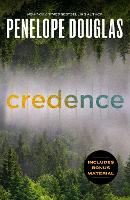
Meanwhile, Penelope Douglas' Credence and Corrupt remain hugely influential examples of boundary-pushing contemporary dark romance, helping to bring the genre to a wider readership.
Beyond the Trend
It would be easy to dismiss dark romance as a social media phenomenon. Yet the genre's roots run much deeper. Readers have always been fascinated by stories that explore the darker corners of human nature. From gothic novels to psychological thrillers, literature has long provided a space to examine fear, desire, obsession and redemption. What feels new is the scale.
The success of dark romance demonstrates how reader communities are now influencing publishing in real time. Books that might once have remained niche recommendations can become global bestsellers overnight.
Whether you're intrigued, sceptical or already a devoted fan, dark romance offers a fascinating window into what contemporary readers are looking for: emotionally intense stories, complex characters and narratives willing to venture into places other genres rarely go. And judging by the bestseller charts, readers can't get enough. Go on, give it a go.










Comments (0)
Leave A Reply
You must be logged in to post a comment.