

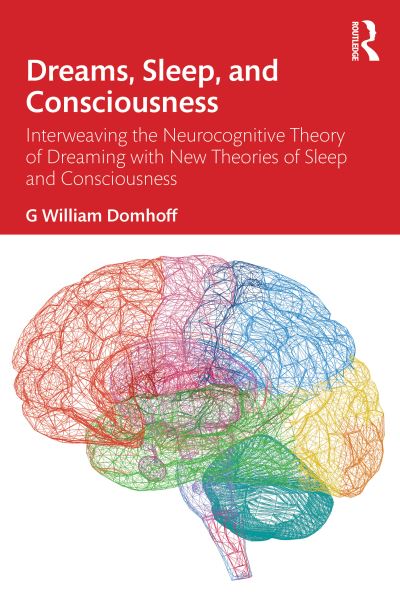
Dreams, Sleep, and Consciousness presents the first scientifically based explanation of how dreams, sleep, and consciousness interconnect since the beginning of the neuroimaging era. This groundbreaking book introduces a fully developed neurocognitive theory of dreaming that encompasses the development of dreaming in children and provides detailed quantitative findings demonstrating how dreams reveal personal concerns.
The book features two innovative theoretical frameworks. The new "adaptive inactivity theory of sleep" explains why the sleeping brain shows varying activation levels and how this enables dreaming. The "multistate hierarchical model of consciousness" explains both why consciousness occurs and how dreaming fits within this three- level theory. Key features include comprehensive coverage of dreaming during the sleep- onset process and detailed analysis of the waking/ arousal process, revealing how rapidly consciousness returns despite morning grogginess- the optimal time for dream recall.
This essential resource targets undergraduate and postgraduate students in psychology, neuroscience, sleep medicine, and consciousness studies. It provides invaluable new ideas for researchers in sleep laboratories, clinicians specializing in sleep disorders, and neuroscientists investigating consciousness. The book also provides crucial insights for anyone interested in dream research, cognitive neuroscience, or sleep medicine.
| ISBN: | 9781041225621 |
| Publication date: | 14th April 2026 |
| Author: | G William Domhoff |
| Publisher: | Routledge an imprint of Taylor & Francis |
| Format: | Paperback |
| Pagination: | 318 pages |
| Genres: |
Neurosciences Cognitive studies Cognition and cognitive psychology |
Dreams, Sleep, and Consciousness presents the first scientifically based explanation of how dreams, sleep, and consciousness interconnect since the beginning of the neuroimaging era. This groundbreaking book introduces a fully developed neurocognitive theory of dreaming that encompasses the development of dreaming in children and provides detailed quantitative findings demonstrating how dreams reveal personal concerns.
The book features two innovative theoretical frameworks. The new "adaptive inactivity theory of sleep" explains why the sleeping brain shows varying activation levels and how this enables dreaming. The "multistate hierarchical model of consciousness" explains both why consciousness occurs and how dreaming fits within this three- level theory. Key features include comprehensive coverage of dreaming during the sleep- onset process and detailed analysis of the waking/ arousal process, revealing how rapidly consciousness returns despite morning grogginess- the optimal time for dream recall.
This essential resource targets undergraduate and postgraduate students in psychology, neuroscience, sleep medicine, and consciousness studies. It provides invaluable new ideas for researchers in sleep laboratories, clinicians specializing in sleep disorders, and neuroscientists investigating consciousness. The book also provides crucial insights for anyone interested in dream research, cognitive neuroscience, or sleep medicine.
Dreams, Sleep, and Consciousness features in the following genres: Cognition and cognitive psychology, Psychoanalytical and Freudian psychology, Psychotherapy, Sleep disorders and therapy, Physiological and neuro-psychology, biopsychology, Psychology: states of consciousness
Dreams, Sleep, and Consciousness is available in Hardback, Paperback
Dreams, Sleep, and Consciousness was written by G William Domhoff and published by Routledge an imprint of Taylor & Francis
Dreams, Sleep, and Consciousness has 318 pages
£48.59