Browse audiobooks narrated by Natalie Finder, listen to samples and when you're ready head over to Audiobooks.com where you can get 3 FREE audiobooks on us
Philosophy: Exploring Life's Big Questions and Timeless Wisdom
"Philosophy, at its core, is the study of fundamental questions about existence, knowledge, values, reason, and the human condition. It is not merely an academic subject but a way of thinking, questioning, and understanding the world. The term 'philosophy' comes from the Greek words 'philo' (love) and 'sophia' (wisdom), meaning 'the love of wisdom.' This pursuit of wisdom has been a defining aspect of human civilization for thousands of years, shaping our perspectives on reality, morality, and truth. One of the key aspects of philosophy is its role in fostering critical thinking. Philosophers do not accept ideas at face value but engage in rational inquiry, examining beliefs and assumptions. This is why philosophy often begins with questions rather than answers. What is real? How do we know what we know? What is the purpose of life? These questions are not easily answered, yet they push us to think deeply about our existence. Philosophy is divided into several branches, each focusing on different aspects of human thought. Metaphysics explores the nature of reality, asking questions about existence, time, and the universe. Epistemology deals with the nature and limits of knowledge—how we acquire it and whether absolute truth exists. Ethics examines the principles of right and wrong, guiding moral behavior. Logic studies the structure of reasoning, ensuring that arguments are sound and rational. Political philosophy and aesthetics, while sometimes considered separate disciplines, also fall under the broader philosophical umbrella, dealing with justice, governance, and beauty."
Coral Nunez (Author), Natalie Finder (Narrator)
Audiobook
Schizophrenia: Coping with Reality Distortions and Finding Support
"Schizophrenia is a complex and often misunderstood mental health disorder that affects a person’s thoughts, emotions, and behaviors. It is characterized by episodes of psychosis, which can include hallucinations, delusions, disorganized thinking, and impaired social functioning. While schizophrenia is a chronic condition, with proper treatment and support, many individuals can manage their symptoms and lead fulfilling lives. Schizophrenia does not manifest in the same way for everyone. Some individuals may experience severe and persistent symptoms, while others may have periods of stability with occasional relapses. The disorder typically emerges in late adolescence or early adulthood, although it can develop later in life. Early detection and intervention are crucial in improving long-term outcomes. There are several subtypes of schizophrenia, each presenting with different symptom patterns. Paranoid schizophrenia, once considered a distinct type, involves intense delusions and auditory hallucinations, often revolving around themes of persecution. Disorganized schizophrenia is marked by disorganized speech, erratic behavior, and difficulty with daily activities. Catatonic schizophrenia presents with extreme motor disturbances, including periods of excessive movement or complete immobility. While these classifications have evolved in recent psychiatric frameworks, they still help in understanding the diverse ways schizophrenia can manifest."
Coral Nunez (Author), Natalie Finder (Narrator)
Audiobook
Narcissism: Identifying Traits and Navigating Toxic Relationships
"Narcissism is a term often used to describe individuals who are excessively self-absorbed, lack empathy, and crave admiration. While everyone exhibits some level of self-interest, narcissism exists on a spectrum, ranging from healthy self-confidence to Narcissistic Personality Disorder (NPD), a diagnosable mental health condition. Understanding narcissism requires examining its characteristics, origins, and the myths that often surround it. At its core, narcissism is marked by a grandiose sense of self-importance, a deep need for validation, and an inability to acknowledge the emotions of others. Narcissists often present themselves as charming, confident, and charismatic, but beneath the surface, they struggle with fragile self-esteem. Their self-worth depends on external validation, making them highly reactive to criticism or perceived rejection. The origins of narcissistic traits can often be traced back to childhood experiences. Some narcissists are products of excessive praise and entitlement, while others develop these traits as a defense mechanism against neglect or abuse. A child raised in an environment where love is conditional—based on achievement or obedience—may grow up believing their worth is tied to external success rather than intrinsic value. In some cases, narcissistic tendencies are reinforced by societal pressures that prioritize status, power, and material success over genuine emotional connection."
Coral Nunez (Author), Natalie Finder (Narrator)
Audiobook
Porn Addiction: Breaking Free from Compulsive Behaviors and Finding Balance
"Porn addiction is a complex and multifaceted issue that extends beyond mere exposure to explicit content. It involves a compulsive behavior pattern where the pursuit of pornographic material starts to dominate an individual’s daily life, affecting mental, emotional, and even physical well-being. Understanding this phenomenon requires a holistic look at how modern technology, societal influences, and neurobiological factors converge to create an environment in which such compulsions can take root. At its core, porn addiction can be viewed as a maladaptive coping mechanism. Many individuals turn to porn as a way to escape stress, anxiety, or feelings of inadequacy, seeking solace in a virtual world that offers a temporary reprieve from their problems. However, what begins as a form of self-medication can quickly evolve into an uncontrollable habit. The accessibility and anonymity provided by the internet have only amplified the prevalence of this behavior, allowing individuals to indulge in it without immediate consequences. Over time, the brain’s reward system becomes hijacked by repeated exposure to high-stimulation content, leading to a cycle where more extreme material is needed to achieve the same level of satisfaction. This chapter also explores the societal and cultural factors that contribute to the normalization of porn consumption. In many modern societies, discussions around sexuality and explicit content have become increasingly liberal, inadvertently minimizing the perceived risks associated with overconsumption. While open dialogues about sexuality can be empowering, they sometimes fail to address the potential for dependency and the underlying emotional issues that may drive an individual towards excessive use. Recognizing these subtleties is essential for those who seek to understand and ultimately overcome the grip of porn addiction."
Coral Nunez (Author), Natalie Finder (Narrator)
Audiobook
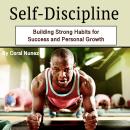
Self-Discipline: Building Strong Habits for Success and Personal Growth
"Self-discipline is a fundamental component of achieving success and personal growth. It involves the ability to control one’s actions, emotions, and behaviors in the face of temptations and distractions, ultimately allowing individuals to focus on long-term goals. At its core, self-discipline is the practice of doing what needs to be done, even when you don't feel like doing it. It’s about consistently making the right choices that align with your values and objectives, rather than giving in to short-term desires. Understanding self-discipline begins with recognizing its role in achieving success. Success is not usually the result of a single act or decision; it’s the result of repeated, consistent actions that lead toward a goal. Self-discipline ensures that we stay on track when things get tough, when motivation fades, and when distractions tempt us. It’s the internal drive that helps us stick with our plans and pursue our dreams despite challenges. Self-discipline is often linked to willpower, which is the mental strength to resist immediate gratification in favor of long-term rewards. Willpower acts as the inner force that helps us push through difficulties, but self-discipline goes beyond simple resistance. It also involves planning, self-regulation, and the ability to make decisions that align with our values. Developing self-discipline can help individuals achieve their goals in any area of life, from health and fitness to career advancement and personal development."
Coral Nunez (Author), Natalie Finder (Narrator)
Audiobook
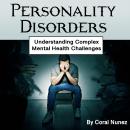
Personality Disorders: Understanding Complex Mental Health Challenges
"Personality disorders are complex mental health conditions that affect the way individuals think, feel, and behave, often leading to difficulties in relationships, work, and daily life. Unlike temporary mood swings or behavioral patterns influenced by stress, personality disorders are deeply ingrained and persistent, typically emerging in adolescence or early adulthood. These disorders shape a person’s worldview, emotional responses, and interactions with others, often resulting in distress for both the individual and those around them. Personality is a unique combination of traits that influence how a person perceives and responds to the world. In individuals with personality disorders, these traits become rigid and maladaptive, making it difficult to function in a socially acceptable or emotionally stable way. The severity of symptoms can vary, but in many cases, individuals struggle with emotional regulation, self-image, and interpersonal relationships. Some may withdraw from social interactions due to deep-seated mistrust, while others may exhibit erratic or impulsive behaviors that create conflict. Personality disorders are categorized into three clusters based on shared characteristics. Cluster A includes disorders that involve odd or eccentric thinking and behavior, such as paranoid and schizotypal personality disorders. Cluster B consists of dramatic, emotional, and erratic conditions, including borderline and narcissistic personality disorders. Cluster C encompasses anxious and fearful disorders, such as avoidant and obsessive-compulsive personality disorders. While these clusters help in understanding the broad patterns of personality disorders, individual experiences can differ significantly."
Coral Nunez (Author), Natalie Finder (Narrator)
Audiobook
Psychopaths: Unraveling the Mind of a Psychopath and Its Impacts
"Psychopathy is a personality disorder characterized by a lack of empathy, manipulative behavior, and a disregard for social norms. While often associated with violent criminals, not all psychopaths engage in illegal activities. Many live among us, blending into society while exhibiting traits that set them apart. Understanding psychopathy requires examining its defining characteristics, how it differs from other disorders, and how it has been studied over time. At the core of psychopathy is a profound emotional deficit. Psychopaths struggle to feel deep emotions such as guilt, remorse, or love. While they can mimic emotions to manipulate others, their reactions are often shallow and insincere. This emotional disconnect allows them to deceive, exploit, and harm others without experiencing the moral conflicts that most people do. Their ability to charm and manipulate makes them particularly dangerous, as they can easily gain trust and control over those around them. A common misconception is that psychopathy and sociopathy are the same. While they share some similarities, they are distinct disorders. Psychopaths are typically more calculated, controlled, and charismatic. They can function in society, often excelling in careers that require persuasion and risk-taking. Sociopaths, on the other hand, are more impulsive and prone to emotional outbursts, making it harder for them to maintain stable relationships or careers. These differences highlight why some psychopaths remain undetected, while sociopaths are more likely to be caught for reckless behavior."
Coral Nunez (Author), Natalie Finder (Narrator)
Audiobook
Serial Killers: Delving into the Psychology of the World's Most Notorious Murderers
"Serial killers have long fascinated and horrified society, their crimes leaving an indelible mark on history. But what exactly defines a serial killer? Unlike one-time murderers, serial killers commit multiple homicides over a period of time, often with psychological gratification as a primary motive. The FBI defines a serial killer as someone who has murdered at least two or more victims in separate events, with a cooling-off period in between. This distinguishes them from mass murderers, who kill multiple people in a single event, and spree killers, who commit consecutive murders without a pause. Serial killers are often categorized based on their methods, motives, and psychological traits. Some are highly organized, meticulously planning their crimes, selecting their victims carefully, and covering their tracks with great precision. Others are disorganized, acting impulsively and leaving behind chaotic crime scenes. Additionally, their motives vary widely—some kill for power and control, others for financial gain, and some for what they believe to be a higher purpose. There are also those driven by deep-seated psychological disorders, including psychopathy and severe delusions. Despite common portrayals in movies and books, serial killers are not always the lone, brooding figures that pop culture suggests. Many lead seemingly normal lives, blending into society with jobs, families, and social circles. This ability to hide in plain sight makes them particularly dangerous and difficult to identify. Some, like Ted Bundy, were known for their charm and intelligence, while others, such as Jeffrey Dahmer, displayed deeply disturbing psychological tendencies that went unnoticed for years."
Coral Nunez (Author), Natalie Finder (Narrator)
Audiobook
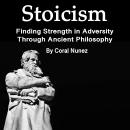
Stoicism: Finding Strength in Adversity Through Ancient Philosophy
"Stoicism is an ancient Greek philosophy that teaches how to live a good life, one filled with virtue, wisdom, and tranquility. Founded by Zeno of Citium in the early 3rd century BCE, Stoicism is built on the idea that the key to happiness and fulfillment lies not in external circumstances, but in how we choose to respond to them. The philosophy emphasizes the development of self-control, rational thought, and resilience in the face of adversity. While it originated in ancient Greece, Stoicism has influenced many philosophers and continues to resonate with modern thinkers, offering practical tools for navigating life’s challenges. At the core of Stoicism is the belief in distinguishing between what we can control and what we cannot. According to Stoic principles, we cannot control external events, but we can control our responses to them. This idea, known as the Dichotomy of Control, encourages individuals to focus on their actions, thoughts, and emotions rather than worrying about things beyond their influence. This shift in perspective can lead to greater peace of mind and less suffering, as it frees us from the emotional turmoil of trying to change the uncontrollable. Stoicism is often associated with a few key figures, including Epictetus, Seneca, and Marcus Aurelius. Each of these philosophers contributed their own insights into the practice of Stoicism, emphasizing different aspects of the philosophy. Epictetus, for example, taught that true freedom comes from mastering our internal world, while Seneca focused on the importance of reflection and mindfulness in everyday life. Marcus Aurelius, a Roman emperor, applied Stoic principles to leadership and the challenges of ruling an empire, demonstrating how Stoicism can be practiced by anyone, no matter their role in society."
Coral Nunez (Author), Natalie Finder (Narrator)
Audiobook
Stress and Anxiety: Understanding Triggers and Mastering Stress Relief Techniques
"Stress is an inevitable part of life, and everyone experiences it in different ways. It can be triggered by external factors, such as work pressures, relationship challenges, or financial difficulties, or it can stem from internal thoughts and perceptions. Understanding stress and its triggers is the first step toward managing it effectively. In this chapter, we will explore what stress is, how it impacts our well-being, and how we can recognize and understand the triggers that lead to stress. At its core, stress is the body’s natural response to perceived threats or demands. When faced with a stressful situation, the body activates the 'fight or flight' response, releasing hormones like adrenaline and cortisol that prepare us to take action. While this response is helpful in short bursts, prolonged stress can have serious consequences on both the mind and body. Chronic stress can lead to health problems such as anxiety, depression, digestive issues, and even heart disease. Recognizing when stress is becoming overwhelming is crucial for maintaining our health. Triggers are the specific events, situations, or thoughts that set off the stress response. Triggers can vary from person to person, depending on their past experiences, personality, and current life circumstances. For one person, an argument with a loved one may be a significant trigger, while for someone else, the pressure of a looming deadline at work may be more stressful. By identifying and understanding our triggers, we can begin to take steps to manage them and prevent unnecessary stress."
Coral Nunez (Author), Natalie Finder (Narrator)
Audiobook

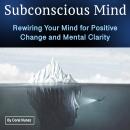
Subconscious Mind: Rewiring Your Mind for Positive Change and Mental Clarity
"The subconscious mind is a powerful and often misunderstood component of our overall mental framework. It operates beneath the surface of our conscious awareness, influencing our emotions, behaviors, and perceptions in ways we rarely notice. This hidden realm of thought is not merely a repository of forgotten memories or repressed emotions, but rather a dynamic and active process that continuously shapes our daily experiences. From habits formed during childhood to deeply ingrained belief systems, the subconscious mind acts as an archive that stores our past experiences and serves as the engine behind our reactions and decision-making. Understanding its workings can unlock profound insights into why we behave the way we do, providing the keys to personal growth and transformation. In exploring the subconscious mind, it is essential to consider both historical and modern scientific perspectives. Ancient philosophies and spiritual traditions have long acknowledged the power of the inner self, emphasizing techniques such as meditation, dream analysis, and ritual practices to access deeper layers of consciousness. In contrast, modern neuroscience and psychology have begun to uncover the biological underpinnings of subconscious processes, such as neural plasticity and the complex interplay between various brain regions. These scientific advancements have validated many traditional practices, demonstrating that our subconscious is not a mysterious, mystical force, but a tangible and influential part of our neurobiology. The integration of these views has fostered a comprehensive understanding of mental processes, blending empirical evidence with time-tested wisdom."
Coral Nunez (Author), Natalie Finder (Narrator)
Audiobook

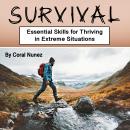
Survival: Essential Skills for Thriving in Extreme Situations
"Survival is not just about enduring extreme situations—it’s about adapting, thinking critically, and using the resources around you to stay alive. Whether you find yourself lost in the wilderness, stranded after a disaster, or facing unexpected dangers, survival is a combination of mental resilience, resourcefulness, and essential skills. One of the most crucial aspects of survival is understanding the psychology behind it. Fear, panic, and despair can be just as deadly as any external threat. The ability to stay calm, assess the situation, and make rational decisions greatly increases your chances of survival. Training your mind to respond with logic rather than emotion can help you overcome the initial shock of an emergency and focus on solutions. In any survival situation, knowing how to prioritize your needs is essential. The Rule of Threes is a widely accepted principle that highlights the urgency of different survival necessities. A person can survive three minutes without air, three hours without shelter in extreme weather, three days without water, and three weeks without food. This guideline emphasizes that while food is important, finding water and creating shelter should take precedence in most situations."
Coral Nunez (Author), Natalie Finder (Narrator)
Audiobook

©PTC International Ltd T/A LoveReading is registered in England. Company number: 10193437. VAT number: 270 4538 09. Registered address: 157 Shooters Hill, London, SE18 3HP.
Terms & Conditions | Privacy Policy | Disclaimer
Join our community for the latest bookish news, reading recommendations, exclusive opening extracts, author events and competitions. It\'s all free. And enter a monthly draw to win a £50 Gift Card. See past winners here
Join Our Community