Browse audiobooks narrated by Judith Crame, listen to samples and when you're ready head over to Audiobooks.com where you can get 3 FREE audiobooks on us
Sociology of Social Change: Transforming Society in the Modern Era (4 in 1)
"This collection presents Social Movements and Change, Social Change in the 21st Century, Technology and Social Change, and Globalization and Society, offering insights into how society is constantly evolving and adapting in response to new challenges, ideas, and forces. Social Movements and Change delves into the history and impact of various social movements, examining how activism, protests, and collective action have reshaped political, cultural, and economic landscapes. Social Change in the 21st Century focuses on the rapid transformations occurring in modern times. It addresses the major forces driving change, such as shifts in economic structures, political ideologies, and cultural norms. This book provides a comprehensive analysis of how contemporary issues—such as inequality, migration, and climate change—are reshaping the global landscape. Technology and Social Change examines how technological advancements, from the internet to artificial intelligence, are altering the way we live, work, and interact. This book explores both the opportunities and challenges posed by these innovations, including the effects on social relationships, work environments, and personal identity. Globalization and Society explores the interconnectedness of societies across the globe and the effects of globalization on culture, economy, and politics. It discusses the benefits and challenges of a globalized world, addressing issues like cultural exchange, economic dependency, and global inequality. Together, these four books offer a multi-dimensional view of social change, showcasing how movements, technology, and globalization are shaping the modern world and transforming societies on a global scale."
Fred Grandsen (Author), Judith Crame (Narrator)
Audiobook
Sociology of Health and Well-Being: The Intersection of Society and Wellness (3 in 1)
"This collection of studies offers a nuanced understanding of how our social environments shape our physical and mental well-being. The Sociology of Health and Illness investigates how health and illness are not only biological but deeply social phenomena. This book explores how society influences our understanding of health, illness, and the healthcare system. It covers topics like health disparities, the medicalization of society, and the social determinants of health, shedding light on the ways in which culture, politics, and economics intersect with our physical and mental health. The Sociology of Happiness explores the social constructs of happiness, well-being, and quality of life. It investigates the sociocultural, economic, and political factors that contribute to an individual's sense of happiness and satisfaction. By examining topics such as income inequality, work-life balance, family dynamics, and social networks, this book provides a comprehensive look at how happiness is often shaped by external social forces and what individuals and communities can do to improve collective well-being. The Sociology of Fear examines the societal impact of fear and anxiety, analyzing how fear is constructed and manipulated within society. This book discusses the role of fear in social control, the media's portrayal of fear, and how fear shapes political, economic, and social decisions. It also explores the impact of fear on mental health and behavior, as well as how different cultures experience and respond to fear. Together, these three books provide an in-depth examination of how health, happiness, and fear are influenced by social structures and dynamics. Through the lens of sociology, they offer valuable insights into the role of society in shaping our perceptions of wellness and emotional states."
Fred Grandsen (Author), Judith Crame (Narrator)
Audiobook
Sociology of Social Structures: Understanding Social Systems and Institutions (5 in 1)
"This book provides an in-depth exploration of the intricate social systems that shape human behavior, societal norms, and everyday life. The Sociology of Crime examines the complex relationship between social structures and criminal behavior. It looks into how crime is defined, why individuals commit crimes, and how societal reactions to crime shape both law enforcement and criminal justice policies. The Sociology of Deviance delves into behaviors that deviate from societal norms and the social processes that label them as deviant. This section explores how norms are constructed, the role of social institutions in defining deviance, and the impact of these labels on individuals and groups. The Sociology of Education explores the role of education in society, focusing on how educational institutions serve as agents of socialization, reproduction of social structures, and vehicles for upward mobility. The Sociology of Work highlights the changing nature of work, labor markets, and employment practices in contemporary society. It covers the evolution of work structures, from industrial labor to service-oriented economies, and the social implications of labor practices on individuals and communities. The Sociology of Consumption looks at the cultural and social aspects of consumption, including how consumer behaviors are influenced by economic forces, marketing, and social norms. This book explores the relationship between identity and consumption, how consumer culture reflects social values, and the environmental and ethical implications of consumerism. Together, these five books offer a comprehensive understanding of the key social structures and institutions that influence human behavior and societal development."
Fred Grandsen (Author), Judith Crame (Narrator)
Audiobook
Sociology of Everyday Life: Exploring Daily Interactions and Experiences (3 in 1)
"This book offers a compelling examination of the everyday social processes that shape our lives, interactions, and personal identities. The Sociology of Everyday Life looks at the seemingly mundane aspects of our daily routines, uncovering the social structures, behaviors, and practices that govern how we engage with others in everyday settings. This book explores the impact of culture, class, and social norms on routine activities like work, leisure, and family life, offering a deeper understanding of the dynamics that shape how we live, communicate, and relate to one another. The Sociology of Religion explores how religion influences individual and collective behavior, social interactions, and societal structures. This book examines the role of religious beliefs and practices in shaping communities, values, and social norms. It delves into topics such as religious identity, rituals, secularism, and the ways in which religion intersects with politics, economics, and culture in different societies. The Sociology of Families in Flux focuses on the evolving nature of family structures and relationships in the modern world. It looks at how families adapt to social, economic, and cultural changes, exploring themes such as divorce, single parenting, same-sex families, and the impact of globalization. This book provides insights into the ways families are redefined and how their roles continue to change in contemporary society. Together, these three books offer a comprehensive understanding of how social structures influence our daily lives, interactions, and familial relationships. Through the lens of sociology, they reveal how religion, family dynamics, and everyday routines shape our experiences and interactions within the broader context of society."
Fred Grandsen (Author), Judith Crame (Narrator)
Audiobook
Sociology of Social Class: Class, Mobility, and Inequality in Society (3 in 1)
"This collection brings together three essential studies: Social Class and Mobility, Inequality and Society, and The Power of Social Networks, offering insights into how class and socioeconomic status influence opportunities, access to resources, and life outcomes. Social Class and Mobility examines the structures that define social classes and the factors that enable or hinder upward mobility. It explores the barriers and opportunities for individuals to change their class status, focusing on the roles of education, wealth, race, and family background in determining one's ability to move across social hierarchies. Inequality and Society analyzes the persistent and growing disparities in wealth, power, and opportunity. The book looks at the root causes of inequality and its societal consequences, examining how systemic structures perpetuate disparities and what can be done to address them. From income inequality to access to healthcare, this book discusses the multifaceted nature of social inequality and its effects on communities. The Power of Social Networks explores the crucial role that social connections play in social mobility and life chances. It discusses how networks influence access to job opportunities, resources, and social capital, and how these networks can either reinforce or challenge existing social hierarchies. The book also looks at how digital and online networks are transforming traditional social structures. Together, these three books offer a comprehensive understanding of the factors that shape social class, mobility, and inequality in contemporary society. They provide an in-depth look at how individuals and communities navigate the complex terrain of class and opportunity."
Fred Grandsen (Author), Judith Crame (Narrator)
Audiobook

Sociology of Youth and Development: Youth, Society, and Transformation (3 in 1)
"This 3-in-1 volume investigates how identity, social interaction, and constructed realities influence the development of youth within a constantly evolving world. The first section, Youth and Society, examines the social roles, challenges, and transitions that young people face as they grow into adulthood. It explores how education, culture, media, and institutions affect youth identity, opportunity, and social mobility. The second section, The Social Animal, delves into human social behavior with a special focus on youth. Drawing from psychology and sociology, it analyzes group behavior, conformity, interpersonal connection, and the deep need for belonging during formative years. The third section, The Social Construction of Reality, explores how our perceptions of the world—including concepts like adolescence, success, and rebellion—are not just discovered, but socially constructed. This section helps readers understand how youth experiences are shaped by societal narratives and expectations. Together, these three volumes offer an interdisciplinary lens on the transformation of youth and the broader changes shaping society."
Fred Grandsen (Author), Judith Crame (Narrator)
Audiobook
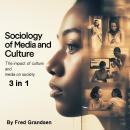
Sociology of Media and Culture: The Impact of Culture and Media on Society (3 in 1)
"This volume examines how messages are crafted, how they influence audiences, and how consumption patterns reflect deeper cultural values. In Media and Society, readers explore how media technologies—from traditional outlets to social platforms—mediate information, reinforce ideologies, and influence public opinion. It covers the evolution of media and its role in shaping social realities, trends, and narratives. Culture and Society investigates how shared symbols, practices, and norms influence the ways people live, think, and interact. It explores the relationship between cultural production and societal structures, offering insights into identity formation, cultural diffusion, and social stratification. The Sociology of Consumption dives into the everyday choices people make in buying, using, and valuing goods and services. It reveals how consumption practices are deeply tied to class, lifestyle, status, and the cultural meanings attached to products and experiences. Together, these volumes provide a rich analysis of how media and culture interact with broader social systems, encouraging readers to critically engage with the content they consume and the culture they help create."
Fred Grandsen (Author), Judith Crame (Narrator)
Audiobook

Sociology of Society: Foundations and Theories of Social Life (3 in 1)
"This book bundle is a comprehensive 3-in-1 guide that explores the structures, behaviors, and ideas that shape human life in community. This volume introduces readers to the essential foundations of sociology, weaving together the study of social organization, the psychology of human interaction, and the grand theories that explain collective behavior. The first section, Society, investigates how individuals come together to form communities, institutions, and cultures. Topics include norms, values, group structures, institutions, and the forces that hold or disrupt social cohesion. In the second section, Social Psychology, the focus narrows to how individuals behave in social contexts. It examines identity, attitudes, conformity, group influence, and the psychological mechanisms driving human interaction in everyday life. The final section, Social Theory, offers insight into the foundational ideas of key thinkers like Karl Marx, Max Weber, and Émile Durkheim. It explores modern and postmodern theories, systems of power, inequality, identity, and the forces of change and resistance that shape social realities. This book is ideal for students, educators, and curious minds who want a clear, engaging, and meaningful introduction to the study of society and its most powerful forces."
Fred Grandsen (Author), Judith Crame (Narrator)
Audiobook
Families in Flux: Understanding the Changing Dynamics of Modern Families
"Family structures have undergone significant transformations throughout history, reflecting broader social, cultural, and economic changes. Traditionally, families were centered around a nuclear model, consisting of two married parents and their children. This model was largely influenced by societal norms, religious beliefs, and economic factors that reinforced the idea of a stable, two-parent household as the foundation of society. Extended families, which included multiple generations living together, were also common in many cultures, serving as a source of emotional and financial support. As societies industrialized, family structures began to shift. Urbanization and economic mobility led to a decline in multigenerational households, as people moved away from rural communities to seek employment in cities. The rise of women in the workforce also contributed to changes in family dynamics, as traditional gender roles evolved and dual-income households became more prevalent. These shifts challenged the notion of a single dominant family model and opened the door to more diverse structures, including single-parent families, cohabiting couples, and blended families. In the late 20th and early 21st centuries, globalization, technological advancements, and changing social norms further reshaped family structures. Divorce rates increased, leading to a rise in single-parent and stepfamilies. Same-sex partnerships and marriages became more widely recognized, expanding definitions of what constitutes a family. Advances in reproductive technologies, such as in-vitro fertilization and surrogacy, also allowed individuals and couples to start families in new ways. These changes reflected a growing acceptance of diverse family models and a shift away from rigid definitions of family life."
Fred Grandsen (Author), Judith Crame (Narrator)
Audiobook

Media and Society: How Mass Communication Influences Our Social World
"Media plays a central role in shaping how individuals perceive and interact with the world. From newspapers and television to digital platforms and social media, mass communication influences nearly every aspect of modern life. Media serves as a bridge between individuals and society, providing information, entertainment, and a platform for discourse. As technology evolves, the ways in which people consume and engage with media continue to transform, creating both opportunities and challenges. Throughout history, media has been a powerful force in shaping cultural norms, political ideologies, and social movements. The early days of print media allowed for the dissemination of knowledge and ideas, while the emergence of radio and television expanded the reach of information and entertainment. Today, digital media and social networking platforms have revolutionized the speed and accessibility of communication. The constant flow of information enables individuals to stay informed about global events, yet it also raises concerns about misinformation, media bias, and the impact of media consumption on mental health. The role of media in shaping public opinion is significant. News outlets and entertainment industries influence how issues are framed, which stories receive attention, and how people interpret social and political events. Media has the power to amplify voices, create awareness about critical issues, and inspire social change. However, it can also reinforce stereotypes, promote sensationalism, and contribute to the spread of misinformation. Understanding how media functions, who controls its narratives, and how it affects society is crucial in navigating today’s media landscape."
Fred Grandsen (Author), Judith Crame (Narrator)
Audiobook
Inequality and Society: Prosperity and Poverty in Modern Society
"Social inequality is a fundamental issue in societies around the world, shaping access to resources, opportunities, and quality of life. It refers to the uneven distribution of wealth, power, and privileges among individuals and groups, often determined by factors such as class, race, gender, and education. While some level of inequality has existed in every human society, modern economic and social structures have amplified disparities, making it a crucial area of study for sociologists, policymakers, and activists. Throughout history, social inequality has taken various forms, from rigid caste systems to economic hierarchies based on capitalism. Industrialization and globalization have contributed to both the expansion of wealth and the widening of income gaps, leaving marginalized communities struggling for economic security and social recognition. The effects of inequality are not just economic; they extend into healthcare, education, political representation, and overall well-being. One of the most significant consequences of inequality is the limitation it places on social mobility. In an ideal society, individuals would have the opportunity to improve their social and economic standing based on merit and effort. However, entrenched social hierarchies often make it difficult for those born into poverty or discrimination to break free from their circumstances. Access to education, employment opportunities, and healthcare remains largely determined by socioeconomic status, further reinforcing generational cycles of disadvantage."
Fred Grandsen (Author), Judith Crame (Narrator)
Audiobook
Culture and Society: How Cultural Norms Shape Our Social Reality
"Culture and society are deeply interconnected, shaping human behavior, beliefs, and institutions. Culture encompasses the shared practices, values, symbols, and artifacts that define a group of people, while society refers to the structured interactions and relationships within a community or nation. Culture provides the foundation for social norms, influencing everything from language and customs to laws and moral expectations. At the same time, society determines how culture is transmitted, adapted, and reinforced through institutions such as family, education, and government. One of the key aspects of culture is its learned nature. Unlike biological traits, cultural knowledge is passed down through generations via socialization. From early childhood, individuals absorb cultural norms through interactions with family, peers, and media. These shared understandings create a sense of belonging and cohesion within a group. However, culture is not static; it evolves over time as societies encounter new ideas, technologies, and challenges. The dynamic nature of culture ensures that it remains relevant to the needs and values of the people who uphold it."
Fred Grandsen (Author), Judith Crame (Narrator)
Audiobook
©PTC International Ltd T/A LoveReading is registered in England. Company number: 10193437. VAT number: 270 4538 09. Registered address: 157 Shooters Hill, London, SE18 3HP.
Terms & Conditions | Privacy Policy | Disclaimer
Join our community for the latest bookish news, reading recommendations, exclusive opening extracts, author events and competitions. It\'s all free. And enter a monthly draw to win a £50 Gift Card. See past winners here
Join Our Community