

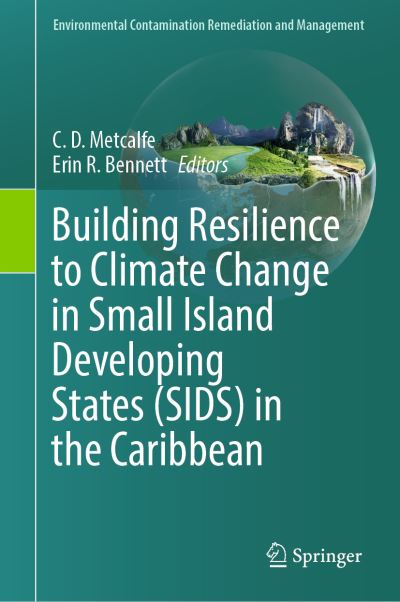
This book summarizes approaches that integrate the environmental, economic, and physical domains with the values, and needs of the population are necessary to develop sustainable strategies that will enhance the resilience of small islands, within the context of inter-island differences in geology, ecology, societal attitudes, governance, and human and economic resources. The impacts of coastal damage and flooding are predicted to worsen during this century due to rising sea levels and increases in the frequency and intensity of storms. The usual approach to coastal protection in Small Island Developing States (SIDS) in the Caribbean is to view both the hazards and the solutions from the "Ocean Side" perspective and to react with "hard" engineering solutions. These structural engineering approaches prevent damage and disruptions to services associated with predictable events but leave communities vulnerable to future events that do not follow historical trends. Furthermore, engineered structures do not adequately address the systemic nature of climate change nor account for compounding threats (e.g., coincidence of hurricane season and global pandemics). To move from this traditional strategy for managing risks from coastal hazards, we need to consider a portfolio of solutions that enhance island protection and community resilience. Nature-Based Solutions (NBS) are gaining attention as practical and cost-effective approaches for mitigating climate-based stressors. However, deployment of NBS strategies requires spatial coordination within the context of "ridge to reef" or integrated water resource management (IWRM) approaches that include the creation of conditions for social acceptance, equity, effective governance, and financial incentives.
| ISBN: | 9783031373756 |
| Publication date: | 26th August 2023 |
| Author: | Christopher D Metcalfe, Erin Bennett |
| Publisher: | Springer an imprint of Springer Nature Switzerland |
| Format: | Hardback |
| Pagination: | 126 pages |
| Series: | Environmental Contamination Remediation and Management |
| Genres: |
Life sciences: general issues Ecological science, the Biosphere |
This book summarizes approaches that integrate the environmental, economic, and physical domains with the values, and needs of the population are necessary to develop sustainable strategies that will enhance the resilience of small islands, within the context of inter-island differences in geology, ecology, societal attitudes, governance, and human and economic resources. The impacts of coastal damage and flooding are predicted to worsen during this century due to rising sea levels and increases in the frequency and intensity of storms. The usual approach to coastal protection in Small Island Developing States (SIDS) in the Caribbean is to view both the hazards and the solutions from the "Ocean Side" perspective and to react with "hard" engineering solutions. These structural engineering approaches prevent damage and disruptions to services associated with predictable events but leave communities vulnerable to future events that do not follow historical trends. Furthermore, engineered structures do not adequately address the systemic nature of climate change nor account for compounding threats (e.g., coincidence of hurricane season and global pandemics). To move from this traditional strategy for managing risks from coastal hazards, we need to consider a portfolio of solutions that enhance island protection and community resilience. Nature-Based Solutions (NBS) are gaining attention as practical and cost-effective approaches for mitigating climate-based stressors. However, deployment of NBS strategies requires spatial coordination within the context of "ridge to reef" or integrated water resource management (IWRM) approaches that include the creation of conditions for social acceptance, equity, effective governance, and financial incentives.
Building Resilience to Climate Change in Small Island Developing States (SIDS) in the Caribbean features in the following genres: Life sciences: general issues, Ecological science, the Biosphere
Building Resilience to Climate Change in Small Island Developing States (SIDS) in the Caribbean is available in Hardback
Building Resilience to Climate Change in Small Island Developing States (SIDS) in the Caribbean was written by Christopher D Metcalfe, Erin Bennett and published by Springer an imprint of Springer Nature Switzerland
Building Resilience to Climate Change in Small Island Developing States (SIDS) in the Caribbean has 126 pages
Yes it is part of Environmental Contamination Remediation and Management series
£134.99