

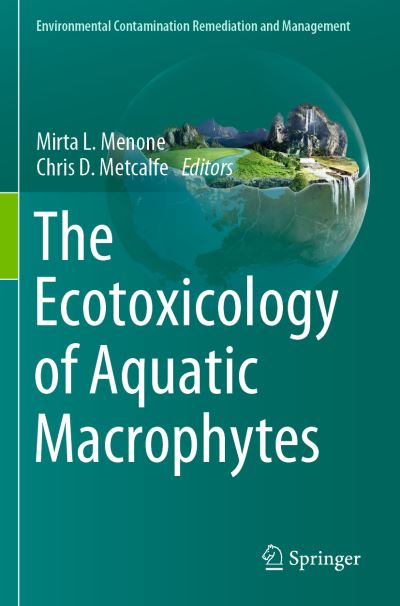
This book focuses on the topic of ecotoxicology of aquatic macrophytes and is wide ranging, including the use of macrophytes for remediation of contaminated sites. Many human activities are threats to the equilibrium of natural ecosystems. Pollution from point and non-point sources can be assessed using a variety of techniques, such as biomonitoring, biomarkers and biosensors. In aquatic ecosystems, biomonitoring of pollutants is mostly conducted by analysis of the tissues of invertebrates and fishes, and biomarker studies are also more widely applied to animals rather than in plants. Aquatic macrophytes occupy a key niche in aquatic ecosystems and provide a range of ecosystem services. In addition to their role in primary production, vegetation plays a key role in the cycling and retention of nutrients and generally acts as a sink for pollutants. Therefore, because of their importance to aquatic ecosystems, more attention should be paid to understanding the fate of pollutants and to developing methods to evaluate the health status of macrophytic plants in freshwater, marine and estuarine environments.
| ISBN: | 9783031278358 |
| Publication date: | 19th June 2024 |
| Author: | Mirta L Menone, Christopher D Metcalfe |
| Publisher: | Springer an imprint of Springer International Publishing |
| Format: | Paperback |
| Pagination: | 214 pages |
| Series: | Environmental Contamination Remediation and Management |
| Genres: |
Earth Sciences, Geography, Environment, Planning Medical toxicology Ecological science, the Biosphere Pollution and threats to the environment |
This book focuses on the topic of ecotoxicology of aquatic macrophytes and is wide ranging, including the use of macrophytes for remediation of contaminated sites. Many human activities are threats to the equilibrium of natural ecosystems. Pollution from point and non-point sources can be assessed using a variety of techniques, such as biomonitoring, biomarkers and biosensors. In aquatic ecosystems, biomonitoring of pollutants is mostly conducted by analysis of the tissues of invertebrates and fishes, and biomarker studies are also more widely applied to animals rather than in plants. Aquatic macrophytes occupy a key niche in aquatic ecosystems and provide a range of ecosystem services. In addition to their role in primary production, vegetation plays a key role in the cycling and retention of nutrients and generally acts as a sink for pollutants. Therefore, because of their importance to aquatic ecosystems, more attention should be paid to understanding the fate of pollutants and to developing methods to evaluate the health status of macrophytic plants in freshwater, marine and estuarine environments.
The Ecotoxicology of Aquatic Macrophytes features in the following genres: Earth Sciences, Geography, Environment, Planning, Medical toxicology, Ecological science, the Biosphere, Pollution and threats to the environment
The Ecotoxicology of Aquatic Macrophytes is available in Paperback
The Ecotoxicology of Aquatic Macrophytes was written by Mirta L Menone, Christopher D Metcalfe and published by Springer an imprint of Springer International Publishing
The Ecotoxicology of Aquatic Macrophytes has 214 pages
Yes it is part of Environmental Contamination Remediation and Management series
£98.99