

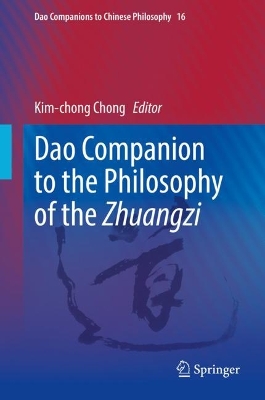
This comprehensive collection brings out the rich and deep philosophical resources of the Zhuangzi. It covers textual, linguistic, hermeneutical, ethical, social/political and philosophical issues, with the latter including epistemological, metaphysical, phenomenological and cross-cultural (Chinese and Western) aspects. The volume starts out with the textual history of the Zhuangzi, and then examines how language is used in the text. It explores this unique characteristic of the Zhuangzi, in terms of its metaphorical forms, its use of humour in deriding and parodying the Confucians, and paradoxically making Confucius the spokesman for Zhuangzi’s own point of view. The volume discusses questions such as: Why does Zhuangzi use language in this way, and how does it work? Why does he not use straightforward propositional language? Why is language said to be inadequate to capture the “dao” and what is the nature of this dao? The volume puts Zhuangzi in thephilosophical context of his times, and discusses how he relates to other philosophers such as Laozi, Xunzi, and the Logicians.
| ISBN: | 9783030923303 |
| Publication date: | 22nd September 2022 |
| Author: | Kimchong Chong |
| Publisher: | Springer Nature Switzerland AG |
| Format: | Hardback |
| Pagination: | 823 pages |
| Series: | Dao Companions to Chinese Philosophy |
| Genres: |
East Asian and Indian philosophy Comparative religion Cultural studies Philosophy: epistemology and theory of knowledge Ethics and moral philosophy Philosophy: metaphysics and ontology |
This comprehensive collection brings out the rich and deep philosophical resources of the Zhuangzi. It covers textual, linguistic, hermeneutical, ethical, social/political and philosophical issues, with the latter including epistemological, metaphysical, phenomenological and cross-cultural (Chinese and Western) aspects. The volume starts out with the textual history of the Zhuangzi, and then examines how language is used in the text. It explores this unique characteristic of the Zhuangzi, in terms of its metaphorical forms, its use of humour in deriding and parodying the Confucians, and paradoxically making Confucius the spokesman for Zhuangzi’s own point of view. The volume discusses questions such as: Why does Zhuangzi use language in this way, and how does it work? Why does he not use straightforward propositional language? Why is language said to be inadequate to capture the “dao” and what is the nature of this dao? The volume puts Zhuangzi in thephilosophical context of his times, and discusses how he relates to other philosophers such as Laozi, Xunzi, and the Logicians.
Dao Companion to the Philosophy of the Zhuangzi features in the following genres: East Asian and Indian philosophy, Comparative religion, Cultural studies, Philosophy: epistemology and theory of knowledge, Ethics and moral philosophy, Philosophy: metaphysics and ontology
Dao Companion to the Philosophy of the Zhuangzi is available in Hardback
Dao Companion to the Philosophy of the Zhuangzi was written by Kimchong Chong and published by Springer Nature Switzerland AG
Dao Companion to the Philosophy of the Zhuangzi has 823 pages
Yes it is part of Dao Companions to Chinese Philosophy series
£134.99