

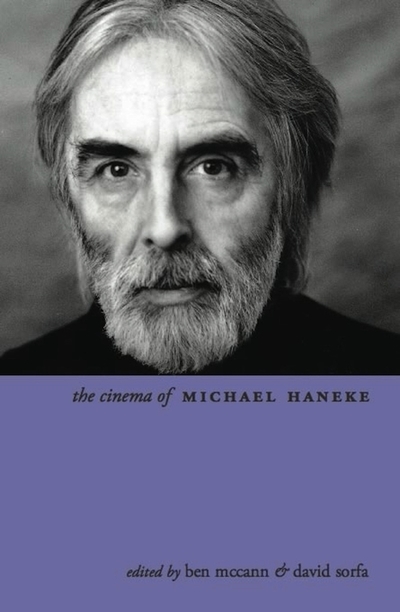
Michael Haneke is one of the most important directors working in Europe today, with films such as Funny Games (1997), Code Unknown (2000), and Hidden (2005) interrogating modern ethical dilemmas with forensic clarity and merciless insight. Haneke's films frequently implicate both the protagonists and the audience in the making of their misfortunes, yet even in the barren nihilism of The Seventh Continent (1989) and Time of the Wolf (2003) a dark strain of optimism emerges, releasing each from its terrible and inescapable guilt. It is this contingent and unlikely possibility that we find in Haneke's cinema: a utopian Europe. This collection celebrates, explicates, and sometimes challenges the worldview of Haneke's films. It examines the director's central themes and preoccupations-bourgeois alienation, modes and critiques of spectatorship, the role of the media-and analyzes otherwise marginalized aspects of his work, such as the function of performance and stardom, early Austrian television productions, the romanticism of The Piano Teacher (2001), and the 2007 shot-for-shot remake of Funny Games.
| ISBN: | 9781906660307 |
| Publication date: | 18th May 2012 |
| Author: | Ben McCann, David Sorfa |
| Publisher: | Wallflower Press an imprint of Columbia University Press |
| Format: | Hardback |
| Pagination: | 290 pages |
| Series: | Directors' Cuts |
| Genres: |
Individual film directors, film-makers |
Michael Haneke is one of the most important directors working in Europe today, with films such as Funny Games (1997), Code Unknown (2000), and Hidden (2005) interrogating modern ethical dilemmas with forensic clarity and merciless insight. Haneke's films frequently implicate both the protagonists and the audience in the making of their misfortunes, yet even in the barren nihilism of The Seventh Continent (1989) and Time of the Wolf (2003) a dark strain of optimism emerges, releasing each from its terrible and inescapable guilt. It is this contingent and unlikely possibility that we find in Haneke's cinema: a utopian Europe. This collection celebrates, explicates, and sometimes challenges the worldview of Haneke's films. It examines the director's central themes and preoccupations-bourgeois alienation, modes and critiques of spectatorship, the role of the media-and analyzes otherwise marginalized aspects of his work, such as the function of performance and stardom, early Austrian television productions, the romanticism of The Piano Teacher (2001), and the 2007 shot-for-shot remake of Funny Games.
The Cinema of Michael Haneke features in the following genres: Individual film directors, film-makers
The Cinema of Michael Haneke is available in Paperback, Hardback
The Cinema of Michael Haneke was written by Ben McCann, David Sorfa and published by Wallflower Press an imprint of Columbia University Press
The Cinema of Michael Haneke has 290 pages
Yes it is part of Directors' Cuts series