

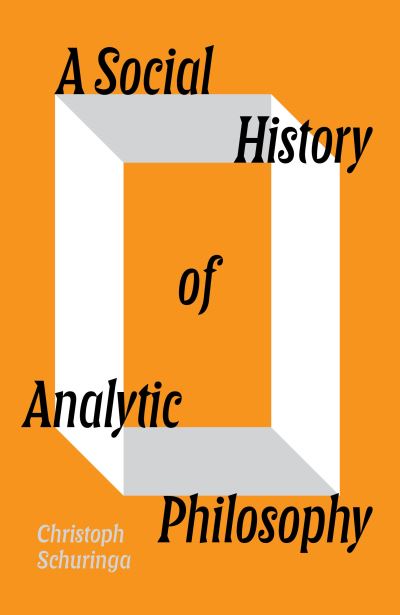
Analytic philosophy is the leading form of philosophy in the English-speaking world. What explains its continued success? Christoph Schuringa argues that its enduring power can only be understood by examining its social history. Analytic philosophy tends to think of itself as concerned with eternal questions, transcending the changing scenes of history. It thinks of itself as apolitical. This book, however, convincingly shows that the opposite is true.
The origins of analytic philosophy are in a set of distinct movements, shaped by high-ly specific sets of political and social forces. Only after the Second World War were these disparate, often dynamic movements joined together to make 'analytic philosophy' as we know it. In the climate of McCarthyism, analytic philosophy was robbed of political force.
To this day, analytic philosophy is the ideology of the status quo. It may seem arcane and largely removed from the real world, but it is a crucial component in upholding liberalism, through its central role in elite educational institutions. As Schuringa concludes, the apparently increasing friendliness of analytic philosophers to rival approaches in philosophy should be understood as a form of colonization; thanks to its hegemonic status, it reformats all it touches in service of its own imperatives, going so far as to colonize decolonial efforts in the discipline.
| ISBN: | 9781804298411 |
| Publication date: | 21st July 2026 |
| Author: | Christoph Schuringa |
| Publisher: | Verso |
| Format: | Paperback |
| Pagination: | 336 pages |
| Genres: |
Philosophy of language History of ideas Analytical philosophy and Logical Positivism Western philosophy from c 1800 Philosophical traditions and schools of thought Popular philosophy Philosophy |
Analytic philosophy is the leading form of philosophy in the English-speaking world. What explains its continued success? Christoph Schuringa argues that its enduring power can only be understood by examining its social history. Analytic philosophy tends to think of itself as concerned with eternal questions, transcending the changing scenes of history. It thinks of itself as apolitical. This book, however, convincingly shows that the opposite is true.
The origins of analytic philosophy are in a set of distinct movements, shaped by high-ly specific sets of political and social forces. Only after the Second World War were these disparate, often dynamic movements joined together to make 'analytic philosophy' as we know it. In the climate of McCarthyism, analytic philosophy was robbed of political force.
To this day, analytic philosophy is the ideology of the status quo. It may seem arcane and largely removed from the real world, but it is a crucial component in upholding liberalism, through its central role in elite educational institutions. As Schuringa concludes, the apparently increasing friendliness of analytic philosophers to rival approaches in philosophy should be understood as a form of colonization; thanks to its hegemonic status, it reformats all it touches in service of its own imperatives, going so far as to colonize decolonial efforts in the discipline.
A Social History of Analytic Philosophy features in the following genres: Philosophy of language, History of ideas, Analytical philosophy and Logical Positivism, Western philosophy from c 1800, Philosophical traditions and schools of thought, Popular philosophy, Philosophy
A Social History of Analytic Philosophy is available in Paperback, Hardback
A Social History of Analytic Philosophy was written by Christoph Schuringa and published by Verso
A Social History of Analytic Philosophy has 336 pages
£15.29