

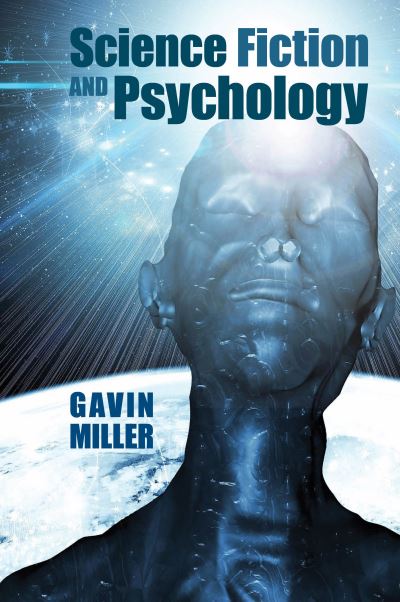
The psychologist may appear in science fiction as the herald of utopia or dystopia; literary studies have used psychoanalytic theories to interpret science fiction; and psychology has employed science fiction as an educational medium. Science Fiction and Psychology goes beyond such incidental observations and engagements to offer an in-depth exploration of science fiction literature's varied use of psychological discourses, beginning at the birth of modern psychology in the late nineteenth century and concluding with the ascendance of neuroscience in the late twentieth century. Rather than dwelling on psychoanalytic readings, this literary investigation combines with history of psychology to offer attentive textual readings that explore five key psychological schools: evolutionary psychology, psychoanalysis, behaviourism, existential-humanism, and cognitivism. The varied functions of psychological discourses in science fiction are explored, whether to popularise and prophesy, to imagine utopia or dystopia, to estrange our everyday reality, to comment on science fiction itself, or to abet (or resist) the spread of psychological wisdom. Science Fiction and Psychology also considers how psychology itself has made use of science fiction in order to teach, to secure legitimacy as a discipline, and to comment on the present.
| ISBN: | 9781802076998 |
| Publication date: | 1st September 2022 |
| Author: | Gavin Miller |
| Publisher: | Liverpool University Press |
| Format: | Paperback |
| Pagination: | 296 pages |
| Series: | Liverpool Science Fiction Texts and Studies |
| Genres: |
Literary studies: c 1900 to c 2000 History of ideas Literary studies: fiction, novelists and prose writers Psychology |
The psychologist may appear in science fiction as the herald of utopia or dystopia; literary studies have used psychoanalytic theories to interpret science fiction; and psychology has employed science fiction as an educational medium. Science Fiction and Psychology goes beyond such incidental observations and engagements to offer an in-depth exploration of science fiction literature's varied use of psychological discourses, beginning at the birth of modern psychology in the late nineteenth century and concluding with the ascendance of neuroscience in the late twentieth century. Rather than dwelling on psychoanalytic readings, this literary investigation combines with history of psychology to offer attentive textual readings that explore five key psychological schools: evolutionary psychology, psychoanalysis, behaviourism, existential-humanism, and cognitivism. The varied functions of psychological discourses in science fiction are explored, whether to popularise and prophesy, to imagine utopia or dystopia, to estrange our everyday reality, to comment on science fiction itself, or to abet (or resist) the spread of psychological wisdom. Science Fiction and Psychology also considers how psychology itself has made use of science fiction in order to teach, to secure legitimacy as a discipline, and to comment on the present.
Science Fiction and Psychology features in the following genres: Literary studies: c 1900 to c 2000, History of ideas, Literary studies: fiction, novelists and prose writers, Psychology
Science Fiction and Psychology is available in Paperback, Hardback
Science Fiction and Psychology was written by Gavin Miller and published by Liverpool University Press
Science Fiction and Psychology has 296 pages
Yes it is part of Liverpool Science Fiction Texts and Studies series