

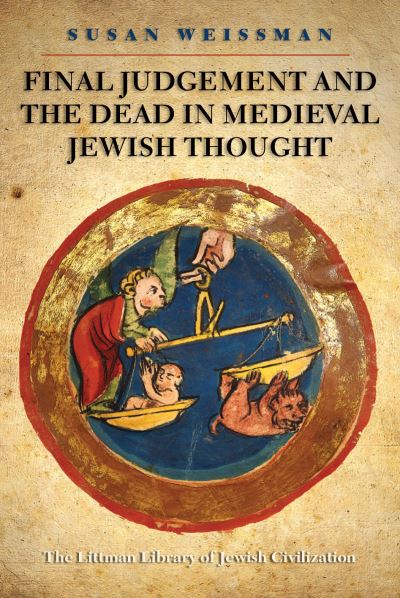
Through a detailed analysis of ghost tales in the Ashkenazi pietistic work Sefer ?asidim, Susan Weissman documents a major transformation in Jewish attitudes and practices regarding the dead and the afterlife that took place between the rabbinic period and medieval times. She reveals that a huge influx of Germano-Christian beliefs, customs, and fears relating to the dead and the afterlife seeped into medieval Ashkenazi society among both elite and popular groups. In matters of sin, penance, and posthumous punishment, the infiltration of Christian notions was so strong as to effect a radical departure in Pietist thinking from rabbinic thought and to spur outright contradiction of talmudic principles regarding the realm of the hereafter. Although it is primarily a study of the culture of a medieval Jewish enclave, this book demonstrates how seminal beliefs of medieval Christendom and monastic ideals could take root in a society with contrary religious values-even in the realm of doctrinal belief.
| ISBN: | 9781802071993 |
| Publication date: | 16th May 2025 |
| Author: | Susan Weissman |
| Publisher: | The Littman Library of Jewish Civilization an imprint of Liverpool University Press |
| Format: | Paperback |
| Pagination: | 456 pages |
| Series: | The Littman Library of Jewish Civilization |
| Genres: |
Social groups: religious groups and communities History of religion Judaism: life and practice |
Through a detailed analysis of ghost tales in the Ashkenazi pietistic work Sefer ?asidim, Susan Weissman documents a major transformation in Jewish attitudes and practices regarding the dead and the afterlife that took place between the rabbinic period and medieval times. She reveals that a huge influx of Germano-Christian beliefs, customs, and fears relating to the dead and the afterlife seeped into medieval Ashkenazi society among both elite and popular groups. In matters of sin, penance, and posthumous punishment, the infiltration of Christian notions was so strong as to effect a radical departure in Pietist thinking from rabbinic thought and to spur outright contradiction of talmudic principles regarding the realm of the hereafter. Although it is primarily a study of the culture of a medieval Jewish enclave, this book demonstrates how seminal beliefs of medieval Christendom and monastic ideals could take root in a society with contrary religious values-even in the realm of doctrinal belief.
Final Judgement and the Dead in Medieval Jewish Thought features in the following genres: Social groups: religious groups and communities, History of religion, Judaism: life and practice
Final Judgement and the Dead in Medieval Jewish Thought is available in Paperback, Hardback
Final Judgement and the Dead in Medieval Jewish Thought was written by Susan Weissman and published by The Littman Library of Jewish Civilization an imprint of Liverpool University Press
Final Judgement and the Dead in Medieval Jewish Thought has 456 pages
Yes it is part of The Littman Library of Jewish Civilization series