

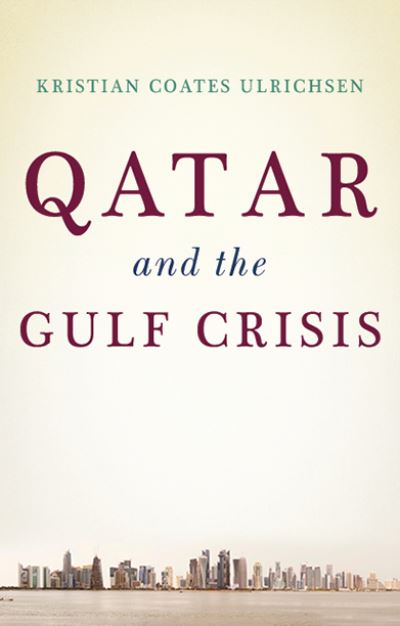
In 2017, Saudi Arabia, Bahrain, the UAE and Egypt severed diplomatic ties with Qatar, launching an economic blockade by land, air and sea. The self-proclaimed 'Anti-Terror Quartet' offered maximalist demands: thirteen 'conditions' recalling Austria-Hungary's 1914 ultimatum to Serbia. They may even have intended military action. Well into its second year, the standoff in the Gulf has no realistic end in sight. With the Bahraini and Emirati criminalisation of expressing support for Qatar, and the Saudi labelling of detainees as 'traitors' for their alleged Qatari links, bitterness has been stoked between deeply interconnected peoples. The adviser to the Saudi crown prince advocating a moat to physically separate Qatar from the Arabian Peninsula illustrates the ongoing intensity-and irrationality-of the crisis. Most reporting and analysis of these developments has focused on questions of regional geopolitics, and framed the standoff in terms of its impact on (largely) Western interests. Lost in this thicket of commentary is consideration of how the Qatari leadership and population have responded to the blockade. As the 2022 FIFA World Cup draws closer, the ongoing Qatar crisis becomes increasingly important to understand. Ulrichsen offers an authoritative study of this international standoff, from both sides.
| ISBN: | 9781787382077 |
| Publication date: | 30th January 2020 |
| Author: | Kristian Ulrichsen |
| Publisher: | Hurst & Company an imprint of C Hurst & Co Publishers Ltd |
| Format: | Hardback |
| Pagination: | 224 pages |
| Genres: |
Geopolitics |
In 2017, Saudi Arabia, Bahrain, the UAE and Egypt severed diplomatic ties with Qatar, launching an economic blockade by land, air and sea. The self-proclaimed 'Anti-Terror Quartet' offered maximalist demands: thirteen 'conditions' recalling Austria-Hungary's 1914 ultimatum to Serbia. They may even have intended military action. Well into its second year, the standoff in the Gulf has no realistic end in sight. With the Bahraini and Emirati criminalisation of expressing support for Qatar, and the Saudi labelling of detainees as 'traitors' for their alleged Qatari links, bitterness has been stoked between deeply interconnected peoples. The adviser to the Saudi crown prince advocating a moat to physically separate Qatar from the Arabian Peninsula illustrates the ongoing intensity-and irrationality-of the crisis. Most reporting and analysis of these developments has focused on questions of regional geopolitics, and framed the standoff in terms of its impact on (largely) Western interests. Lost in this thicket of commentary is consideration of how the Qatari leadership and population have responded to the blockade. As the 2022 FIFA World Cup draws closer, the ongoing Qatar crisis becomes increasingly important to understand. Ulrichsen offers an authoritative study of this international standoff, from both sides.
Qatar and the Gulf Crisis features in the following genres: Geopolitics
Qatar and the Gulf Crisis is available in Hardback
Qatar and the Gulf Crisis was written by Kristian Ulrichsen and published by Hurst & Company an imprint of C Hurst & Co Publishers Ltd
Qatar and the Gulf Crisis has 224 pages
£31.50