

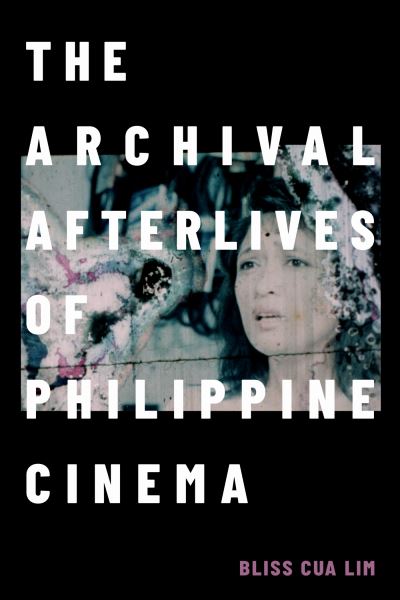
Drawing on cultural policy, queer and feminist theory, materialist media studies, and postcolonial historiography, Bliss Cua Lim analyzes the crisis-ridden history of Philippine film archiving-a history of lost films, limited access, and collapsed archives. Rather than denigrate underfunded Philippine audiovisual archives in contrast to institutions in the global North, The Archival Afterlives of Philippine Cinema shows how archival practices of making do can inspire alternative theoretical and historical approaches to cinema. Lim examines formal state and corporate archives, analyzing restorations of the last nitrate film and a star-studded lesbian classic as well as archiving under the Marcos dictatorship. She also foregrounds informal archival efforts: a cinephilic video store specializing in vintage Tagalog classics; a microcuratorial initiative for experimental films; and guerilla screenings for rural Visayan audiences. Throughout, Lim centers the improvisational creativity of audiovisual archivists, collectors, advocates, and amateurs who embrace imperfect access in the face of inhospitable conditions.
| ISBN: | 9781478025733 |
| Publication date: | 22nd January 2024 |
| Author: | Bliss Cua Lim |
| Publisher: | Duke University Press |
| Format: | Paperback |
| Pagination: | 400 pages |
| Series: | A Camera Obscura Book |
| Genres: |
Film history, theory or criticism Media studies |
Drawing on cultural policy, queer and feminist theory, materialist media studies, and postcolonial historiography, Bliss Cua Lim analyzes the crisis-ridden history of Philippine film archiving-a history of lost films, limited access, and collapsed archives. Rather than denigrate underfunded Philippine audiovisual archives in contrast to institutions in the global North, The Archival Afterlives of Philippine Cinema shows how archival practices of making do can inspire alternative theoretical and historical approaches to cinema. Lim examines formal state and corporate archives, analyzing restorations of the last nitrate film and a star-studded lesbian classic as well as archiving under the Marcos dictatorship. She also foregrounds informal archival efforts: a cinephilic video store specializing in vintage Tagalog classics; a microcuratorial initiative for experimental films; and guerilla screenings for rural Visayan audiences. Throughout, Lim centers the improvisational creativity of audiovisual archivists, collectors, advocates, and amateurs who embrace imperfect access in the face of inhospitable conditions.
The Archival Afterlives of Philippine Cinema features in the following genres: Film history, theory or criticism, Media studies
The Archival Afterlives of Philippine Cinema is available in Hardback, Paperback
The Archival Afterlives of Philippine Cinema was written by Bliss Cua Lim and published by Duke University Press
The Archival Afterlives of Philippine Cinema has 400 pages
Yes it is part of A Camera Obscura Book series
£24.29