

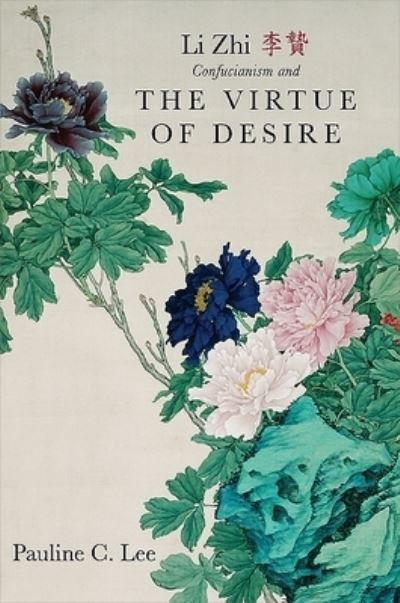
A philosophical analysis of the work of one of the most iconoclastic thinkers in Chinese history, Li Zhi, whose ethics prized spontaneous expression of genuine feelings.
Li Zhi (1527-1602) was a bestselling author with a devoted readership. His biting, shrewd, and visionary writings with titles like A Book to Hide and A Book to Burn were both inspiring and inflammatory. Widely read from his own time to the present, Li Zhi has long been acknowledged as an important figure in Chinese cultural history. While he is esteemed as a stinging social critic and an impassioned writer, Li Zhi's ideas have been dismissed as lacking a deeper or constructive vision. Pauline C. Lee convincingly shows us otherwise. Situating Li Zhi within the highly charged world of the late-Ming culture of "feelings," Lee presents his slippery and unruly yet clear and robust ethical vision. Li Zhi is a Confucian thinker whose consuming concern is a powerful interior world of abundance, distinctive to each individual: the realm of the emotions. Critical to his ideal of the good life is the ability to express one's feelings well. In the work's conclusion, Lee brings Li Zhi's insights into conversation with contemporary philosophical debates about the role of feelings, an ethics of authenticity, and the virtue of desire.
| ISBN: | 9781438439273 |
| Publication date: | 15th December 2011 |
| Author: | Pauline C Lee, Zhi Li |
| Publisher: | SUNY Press an imprint of State University of New York Press |
| Format: | Hardback |
| Pagination: | 186 pages |
| Series: | SUNY Series in Chinese Philosophy and Culture |
| Genres: |
East Asian and Indian philosophy Confucianism East Asian religions |
A philosophical analysis of the work of one of the most iconoclastic thinkers in Chinese history, Li Zhi, whose ethics prized spontaneous expression of genuine feelings.
Li Zhi (1527-1602) was a bestselling author with a devoted readership. His biting, shrewd, and visionary writings with titles like A Book to Hide and A Book to Burn were both inspiring and inflammatory. Widely read from his own time to the present, Li Zhi has long been acknowledged as an important figure in Chinese cultural history. While he is esteemed as a stinging social critic and an impassioned writer, Li Zhi's ideas have been dismissed as lacking a deeper or constructive vision. Pauline C. Lee convincingly shows us otherwise. Situating Li Zhi within the highly charged world of the late-Ming culture of "feelings," Lee presents his slippery and unruly yet clear and robust ethical vision. Li Zhi is a Confucian thinker whose consuming concern is a powerful interior world of abundance, distinctive to each individual: the realm of the emotions. Critical to his ideal of the good life is the ability to express one's feelings well. In the work's conclusion, Lee brings Li Zhi's insights into conversation with contemporary philosophical debates about the role of feelings, an ethics of authenticity, and the virtue of desire.
Li Zhi, Confucianism, and the Virtue of Desire features in the following genres: East Asian and Indian philosophy, Confucianism, East Asian religions
Li Zhi, Confucianism, and the Virtue of Desire is available in Hardback
Li Zhi, Confucianism, and the Virtue of Desire was written by Pauline C Lee, Zhi Li and published by SUNY Press an imprint of State University of New York Press
Li Zhi, Confucianism, and the Virtue of Desire has 186 pages
Yes it is part of SUNY Series in Chinese Philosophy and Culture series