

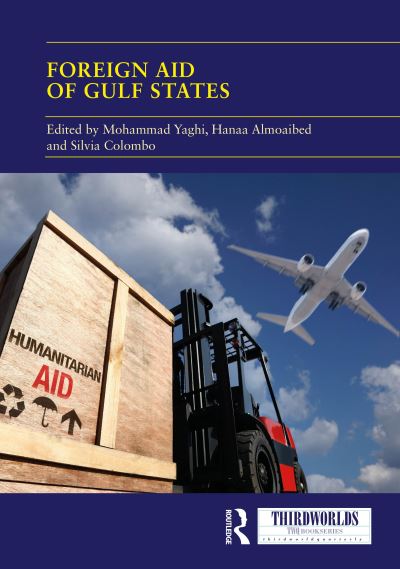
This book explores how Gulf States' foreign aid strategies have transformed in the wake of 9/11 and the 2011 Arab uprisings. It traces the shift from a solidarity- based model to aid increasingly driven by political and military objectives, particularly in conflict zones like Yemen, Libya, and Syria. The book analyzes enduring traits and evolving trends in aid allocation, highlighting a growing emphasis on humanitarian assistance, transparency, and alignment with global governance norms. Yet, a persistent preference for bilateral aid raises questions about long- term impact and transparency.
The politicization of aid post- 2011 reveals how Gulf donors wield aid as a tool of geopolitical influence. Looking ahead, the book outlines a research agenda that examines the rebranding of Gulf aid, the implications of its militarization, the role of economic diversification, and the influence of shifting regional dynamics- such as Saudi- Iran relations and the Abraham Accords- on future strategies.
This book is essential reading for scholars, policymakers, and practitioners in international development, political science, Middle Eastern studies, and global governance.
The chapters in this book were originally published as a special issue of Third World Quarterly.
| ISBN: | 9781041114710 |
| Publication date: | 29th September 2025 |
| Author: | Mohammad Yaghi, Hanaa Almoaibed, Silvia Colombo |
| Publisher: | Routledge an imprint of Taylor & Francis |
| Format: | Hardback |
| Pagination: | 182 pages |
| Series: | Thirdworlds |
| Genres: |
International relations Regional / International studies Warfare and defence Economics |
This book explores how Gulf States' foreign aid strategies have transformed in the wake of 9/11 and the 2011 Arab uprisings. It traces the shift from a solidarity- based model to aid increasingly driven by political and military objectives, particularly in conflict zones like Yemen, Libya, and Syria. The book analyzes enduring traits and evolving trends in aid allocation, highlighting a growing emphasis on humanitarian assistance, transparency, and alignment with global governance norms. Yet, a persistent preference for bilateral aid raises questions about long- term impact and transparency.
The politicization of aid post- 2011 reveals how Gulf donors wield aid as a tool of geopolitical influence. Looking ahead, the book outlines a research agenda that examines the rebranding of Gulf aid, the implications of its militarization, the role of economic diversification, and the influence of shifting regional dynamics- such as Saudi- Iran relations and the Abraham Accords- on future strategies.
This book is essential reading for scholars, policymakers, and practitioners in international development, political science, Middle Eastern studies, and global governance.
The chapters in this book were originally published as a special issue of Third World Quarterly.
Foreign Aid of Gulf States features in the following genres: International relations, Regional / International studies, Warfare and defence, Economics
Foreign Aid of Gulf States is available in Hardback
Foreign Aid of Gulf States was written by Mohammad Yaghi, Hanaa Almoaibed, Silvia Colombo and published by Routledge an imprint of Taylor & Francis
Foreign Aid of Gulf States has 182 pages
Yes it is part of Thirdworlds series
£154.79