

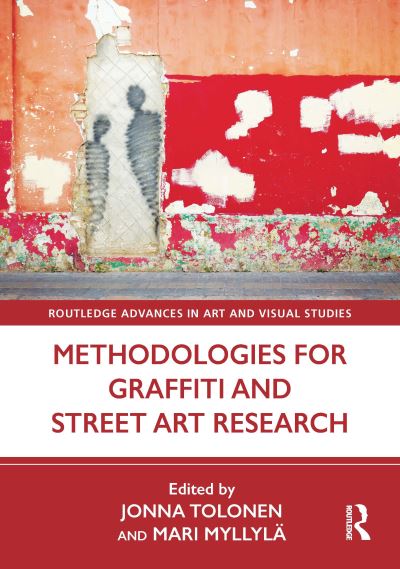
This edited volume explores theoretical approaches, methods, and practices for executing graffiti and street art research by presenting in-depth methodological analyses through a collection of chapters from researchers around the world.
The book is a compilation of methodologies from several disciplines, featuring concrete examples from the fields of art, communication, social sciences, with a repertoire of methods such as visual ethnography, photo elicitation, linguistic content analysis, and semiotics. The aim is to open researchers' thinking, processes and choices by critically analysing each step of their research. This makes it possible to explore, justify and improve the research methodologies and methods used in different areas of investigation through topics such as walking, photography, classification, change, collaboration, gender and improvisation. Chapters also discuss potential challenges, gaps and unexplored directions in which graffiti and street art research and methods could develop.
This edited volume provides readers with knowledge of different research strategies and methods, making it essential for upper-level undergraduates, postgraduates and researchers undertaking research into topics in graffiti and street art.
| ISBN: | 9781032981956 |
| Publication date: | 21st September 2026 |
| Author: | Jonna Tolonen, Mari Myllylä |
| Publisher: | Routledge an imprint of Taylor & Francis |
| Format: | Hardback |
| Pagination: | 236 pages |
| Series: | Routledge Advances in Art and Visual Studies |
| Genres: |
History of art Research methods: general Theory of art |
This edited volume explores theoretical approaches, methods, and practices for executing graffiti and street art research by presenting in-depth methodological analyses through a collection of chapters from researchers around the world.
The book is a compilation of methodologies from several disciplines, featuring concrete examples from the fields of art, communication, social sciences, with a repertoire of methods such as visual ethnography, photo elicitation, linguistic content analysis, and semiotics. The aim is to open researchers' thinking, processes and choices by critically analysing each step of their research. This makes it possible to explore, justify and improve the research methodologies and methods used in different areas of investigation through topics such as walking, photography, classification, change, collaboration, gender and improvisation. Chapters also discuss potential challenges, gaps and unexplored directions in which graffiti and street art research and methods could develop.
This edited volume provides readers with knowledge of different research strategies and methods, making it essential for upper-level undergraduates, postgraduates and researchers undertaking research into topics in graffiti and street art.
Methodologies for Graffiti and Street Art Research features in the following genres: History of art, Research methods: general, Theory of art
Methodologies for Graffiti and Street Art Research is available in Hardback
Methodologies for Graffiti and Street Art Research was written by Jonna Tolonen, Mari Myllylä and published by Routledge an imprint of Taylor & Francis
Methodologies for Graffiti and Street Art Research has 236 pages
Yes it is part of Routledge Advances in Art and Visual Studies series
£139.50