

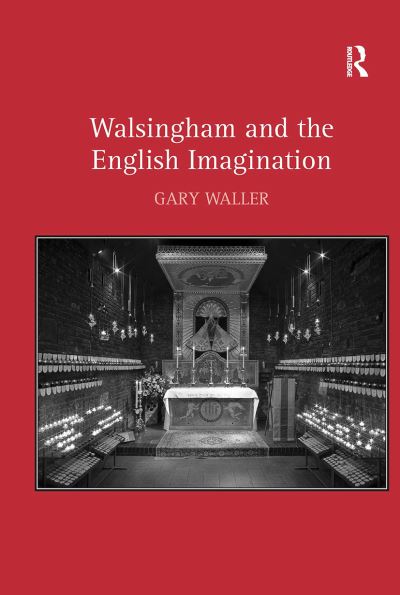
Drawing on history, art history, literary criticism and theory, gender studies, theology and psychoanalysis, this interdisciplinary study analyzes the cultural significance of the Shrine of our Lady of Walsingham, medieval England's most significant pilgrimage site devoted to the Virgin Mary, which was revived in the twentieth century, and in 2006 voted Britain's favorite religious site. Covering Walsingham's origins, destruction, and transformations from the Middle Ages to the present, Gary Waller pursues his investigation not through a standard history but by analyzing the "invented traditions" and varied re-creations of Walsingham by the "English imagination"- poems, fiction, songs, ballads, musical compositions and folk legends, solemn devotional writings and hostile satire which Walsingham has inspired, by Protestants, Catholics, and religious skeptics alike. They include, in early modern England, Erasmus, Ralegh, Sidney, and Shakespeare; then, during Walsingham's long "protestantization" from the sixteenth through nineteenth centuries, ballad revivals, archeological investigations, and writings by Agnes Strickland, Edmund Waterton, and Hopkins; and in the modern period, writers like Eliot, Charles Williams, Robert Lowell, and A.N. Wilson. The concluding chapter uses contemporary feminist theology to view Walsingham not just as a symbol of nostalgia but a place inviting spiritual change through its potential sexual and gender transformation.
| ISBN: | 9781032925233 |
| Publication date: | 14th October 2024 |
| Author: | Gary Waller |
| Publisher: | Routledge an imprint of Taylor & Francis |
| Format: | Paperback |
| Pagination: | 250 pages |
| Genres: |
Literary studies: ancient, classical and medieval Gender studies, gender groups Social and cultural history History of religion Christianity Sociology Literary studies: general |
Drawing on history, art history, literary criticism and theory, gender studies, theology and psychoanalysis, this interdisciplinary study analyzes the cultural significance of the Shrine of our Lady of Walsingham, medieval England's most significant pilgrimage site devoted to the Virgin Mary, which was revived in the twentieth century, and in 2006 voted Britain's favorite religious site. Covering Walsingham's origins, destruction, and transformations from the Middle Ages to the present, Gary Waller pursues his investigation not through a standard history but by analyzing the "invented traditions" and varied re-creations of Walsingham by the "English imagination"- poems, fiction, songs, ballads, musical compositions and folk legends, solemn devotional writings and hostile satire which Walsingham has inspired, by Protestants, Catholics, and religious skeptics alike. They include, in early modern England, Erasmus, Ralegh, Sidney, and Shakespeare; then, during Walsingham's long "protestantization" from the sixteenth through nineteenth centuries, ballad revivals, archeological investigations, and writings by Agnes Strickland, Edmund Waterton, and Hopkins; and in the modern period, writers like Eliot, Charles Williams, Robert Lowell, and A.N. Wilson. The concluding chapter uses contemporary feminist theology to view Walsingham not just as a symbol of nostalgia but a place inviting spiritual change through its potential sexual and gender transformation.
Walsingham and the English Imagination features in the following genres: Literary studies: ancient, classical and medieval, Gender studies, gender groups, Social and cultural history, History of religion, Christianity, Sociology, Literary studies: general
Walsingham and the English Imagination is available in Paperback, Ebook, Hardback
Walsingham and the English Imagination was written by Gary Waller and published by Routledge an imprint of Taylor & Francis
Walsingham and the English Imagination has 250 pages
£36.89