

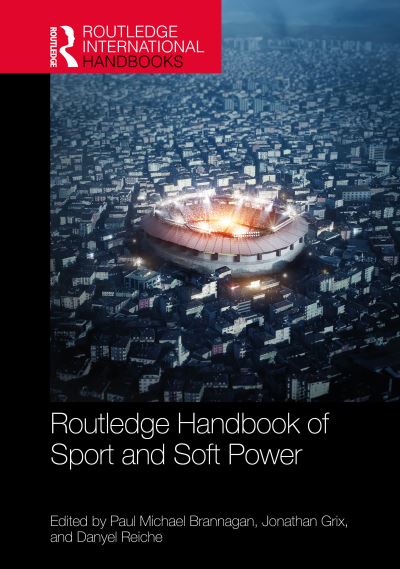
This is the first book to fully examine - in depth and breadth - the topic of sport as soft power. With nation states increasingly realising the potential of sport as a geopolitical tool, and with sporting organisations becoming increasingly visible and influential as political actors on the global stage, this book explores the international politics of sport and the geopolitical trends that are likely to shape international sport for decades to come. The book begins by defining 'soft power' and looking at how international relations theory can help us to better understand the geopolitical significance of sport. The book then takes a close look at how sport has been used as soft power around the world, offering detailed case studies of more than thirty countries, including the US, the UK, China, Russia, the Gulf states, Brazil, Australia, Turkey, and South Africa. A final section examines some important key themes and contemporary issues in the geopolitics of sport, including sportswashing, human rights, the power of transnational corporations, and gender in sporting mega-events. Representing an unparalleled resource on one of the most important issues in contemporary sport, this book is essential reading for anybody with an interest in the politics of sport, sport governance, sport development, event studies, international relations, diplomacy, or international organisations.
| ISBN: | 9781032899077 |
| Publication date: | 9th October 2026 |
| Author: | Paul Michael Brannagan, Jonathan Grix, Danyel Reiche |
| Publisher: | Routledge an imprint of Taylor & Francis |
| Format: | Hardback |
| Pagination: | 444 pages |
| Series: | Routledge International Handbooks |
| Genres: |
International relations Olympic and Paralympic games Sports management and facilities |
This is the first book to fully examine - in depth and breadth - the topic of sport as soft power. With nation states increasingly realising the potential of sport as a geopolitical tool, and with sporting organisations becoming increasingly visible and influential as political actors on the global stage, this book explores the international politics of sport and the geopolitical trends that are likely to shape international sport for decades to come. The book begins by defining 'soft power' and looking at how international relations theory can help us to better understand the geopolitical significance of sport. The book then takes a close look at how sport has been used as soft power around the world, offering detailed case studies of more than thirty countries, including the US, the UK, China, Russia, the Gulf states, Brazil, Australia, Turkey, and South Africa. A final section examines some important key themes and contemporary issues in the geopolitics of sport, including sportswashing, human rights, the power of transnational corporations, and gender in sporting mega-events. Representing an unparalleled resource on one of the most important issues in contemporary sport, this book is essential reading for anybody with an interest in the politics of sport, sport governance, sport development, event studies, international relations, diplomacy, or international organisations.
Routledge Handbook of Sport and Soft Power features in the following genres: International relations, Olympic and Paralympic games, Sports management and facilities
Routledge Handbook of Sport and Soft Power is available in Hardback
Routledge Handbook of Sport and Soft Power was written by Paul Michael Brannagan, Jonathan Grix, Danyel Reiche and published by Routledge an imprint of Taylor & Francis
Routledge Handbook of Sport and Soft Power has 444 pages
Yes it is part of Routledge International Handbooks series
£220.50