

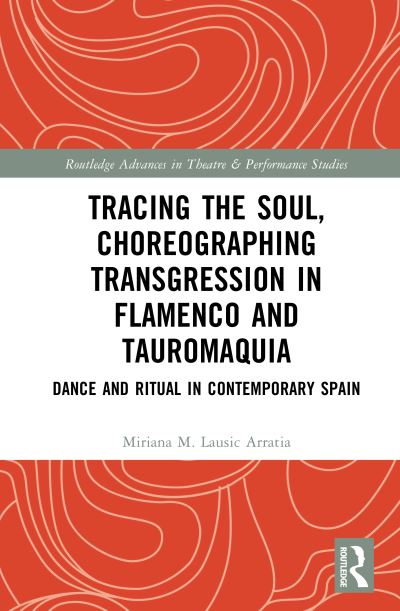
This book analyzes gesture, ritual, and performance in flamenco and tauromaquia the extended definition of bullfighting within the visual arts and poetry in contemporary Spain.
Based on the author's extensive ethnographic field research, it emerges from recent critical thinking on the body in dance and performance studies. The main argument is that flamenco and la corrida are a type of choreographic writing, as both corporeal inscription and a field of spacing and timing bordered by death. Transgression is conceived as the breaching and blurring of limits between two seemingly opposed spaces: the corporeal and incorporeal; the animal and human; the real and the imaginary; life and death. Flamenco and tauromaquia incorporate and reshape cultural and historical layers of memory and sense, which are marked by multiple social and political intersections. This book fills a gap in the knowledge of their interconnectedness. It equally contributes to resolving an epistemological crisis in dance studies, to the interplay between the visible and the invisible in choreographed movements.
This interdisciplinary text serves scholars across fields including Dance, Cultural Studies, Anthropology, and Iberian and Latin American Studies, particularly
| ISBN: | 9781032811598 |
| Publication date: | 7th November 2025 |
| Author: | Miriana M Lausic Arratia |
| Publisher: | Routledge an imprint of Taylor & Francis |
| Format: | Hardback |
| Pagination: | 264 pages |
| Series: | Routledge Advances in Theatre & Performance Studies |
| Genres: |
Choreography Cultural studies Social and cultural anthropology |
This book analyzes gesture, ritual, and performance in flamenco and tauromaquia the extended definition of bullfighting within the visual arts and poetry in contemporary Spain.
Based on the author's extensive ethnographic field research, it emerges from recent critical thinking on the body in dance and performance studies. The main argument is that flamenco and la corrida are a type of choreographic writing, as both corporeal inscription and a field of spacing and timing bordered by death. Transgression is conceived as the breaching and blurring of limits between two seemingly opposed spaces: the corporeal and incorporeal; the animal and human; the real and the imaginary; life and death. Flamenco and tauromaquia incorporate and reshape cultural and historical layers of memory and sense, which are marked by multiple social and political intersections. This book fills a gap in the knowledge of their interconnectedness. It equally contributes to resolving an epistemological crisis in dance studies, to the interplay between the visible and the invisible in choreographed movements.
This interdisciplinary text serves scholars across fields including Dance, Cultural Studies, Anthropology, and Iberian and Latin American Studies, particularly
Tracing the Soul, Choreographing Transgression in Flamenco and Tauromaquia features in the following genres: Theatre studies, Performance art, Dance, Philosophy
Tracing the Soul, Choreographing Transgression in Flamenco and Tauromaquia is available in Hardback
Tracing the Soul, Choreographing Transgression in Flamenco and Tauromaquia was written by Miriana M Lausic Arratia and published by Routledge an imprint of Taylor & Francis
Tracing the Soul, Choreographing Transgression in Flamenco and Tauromaquia has 264 pages
Yes it is part of Routledge Advances in Theatre & Performance Studies series
£154.79