

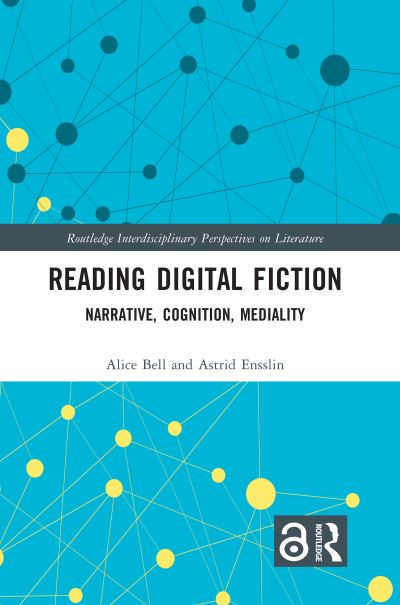
Reading Digital Fiction offers the first comprehensive and systematic theoretical, methodological, and analytical examination of digital fiction from a cognitive and empirical perspective. Proposing the new concept of "medial reading", it argues for the centrality of an audience's interest in, awareness of and/or attention to the medium in which a text is produced and received, and which we argue should be applied to reader data across media. The book analyses and theorises five generations of digital fiction and their reading including hypertext fiction, hypermedia fiction, narrative video games, app fiction, and virtual reality. It showcases medium- and platform-specific methods of qualitative reader response research across a variety of contexts and settings from screen-based and embodied interaction to gallery installation, and from reading group and individual interview to think-aloud methodologies. The book thus addresses the unique affordances of digital fiction reading by designing and reporting on new empirical studies focusing on hypertextuality, interactivity, immersion, as well as medium-specific forms of textual "you", ontological ambiguity, reader orientation and empathy. In so doing, the book refines, critiques, and expands cognitive, transmedial, and empirical narratology and stylistics by placing the reader of these new narratives front and centre.
The Open Access version of this book, available at http://www.taylorfrancis.com, has been made available under a Creative Commons [Attribution-Non Commercial-No Derivatives (CC-BY-NC-ND)] 4.0 license.
| ISBN: | 9781032738185 |
| Publication date: | 29th September 2025 |
| Author: | Alice Bell, Astrid Ensslin |
| Publisher: | Routledge an imprint of Taylor & Francis |
| Format: | Paperback |
| Pagination: | 208 pages |
| Series: | Routledge Interdisciplinary Perspectives on Literature |
| Genres: |
Literary studies: c 1900 to c 2000 Cultural studies Literary theory Linguistics History |
Reading Digital Fiction offers the first comprehensive and systematic theoretical, methodological, and analytical examination of digital fiction from a cognitive and empirical perspective. Proposing the new concept of "medial reading", it argues for the centrality of an audience's interest in, awareness of and/or attention to the medium in which a text is produced and received, and which we argue should be applied to reader data across media. The book analyses and theorises five generations of digital fiction and their reading including hypertext fiction, hypermedia fiction, narrative video games, app fiction, and virtual reality. It showcases medium- and platform-specific methods of qualitative reader response research across a variety of contexts and settings from screen-based and embodied interaction to gallery installation, and from reading group and individual interview to think-aloud methodologies. The book thus addresses the unique affordances of digital fiction reading by designing and reporting on new empirical studies focusing on hypertextuality, interactivity, immersion, as well as medium-specific forms of textual "you", ontological ambiguity, reader orientation and empathy. In so doing, the book refines, critiques, and expands cognitive, transmedial, and empirical narratology and stylistics by placing the reader of these new narratives front and centre.
The Open Access version of this book, available at http://www.taylorfrancis.com, has been made available under a Creative Commons [Attribution-Non Commercial-No Derivatives (CC-BY-NC-ND)] 4.0 license.
Reading Digital Fiction features in the following genres: Literary studies: c 1900 to c 2000, Cultural studies, Literary theory, Linguistics, History
Reading Digital Fiction is available in Paperback, Hardback
Reading Digital Fiction was written by Alice Bell, Astrid Ensslin and published by Routledge an imprint of Taylor & Francis
Reading Digital Fiction has 208 pages
Yes it is part of Routledge Interdisciplinary Perspectives on Literature series
£43.19