

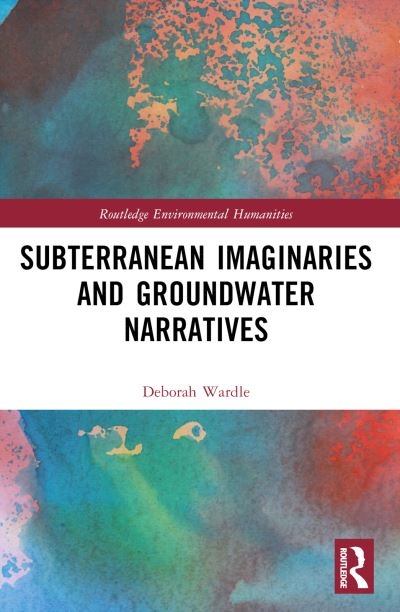
This book interrogates the problems of how and why largely unseen matter, in this case groundwater, has found limited expression in climate fiction. It explores key considerations for writing groundwater narratives in the Anthropocene.
The book investigates a unique selection of climate fiction alongside an exploration of hydrosocial environmental humanities through a focus on groundwater and groundwater narratives. Providing eco-critical analysis, with creative fiction and non-fiction excerpts interwoven throughout, and drawing on Indigenous Australian and Australian settler novels and poems alongside European, American and Japanese texts, the book illuminates the processes of 'storying with' subterranean waters - their facts, uncertainties, potencies and vulnerabilities. In a time when the water crisis in an Australian and worldwide context is escalating in response to global warming, giving voice to the complexities of groundwater extraction and pollution is vital. Drawing from non-representational, posthumanist and feminist perspectives, the book provides an important contribution to transnational, comparative climate fiction analysis, enabling an interdisciplinary exchange between hydrogeological science and the eco-humanities.
This book is an engaging read for scholars and students in creative writing, environmental humanities, cultural and post-colonial studies, Australian studies, and eco-critical literary studies. Writers and thinkers addressing the problems of the Anthropocene are called to pay attention to the importance of subterranean imaginaries and groundwater narratives.
| ISBN: | 9781032218823 |
| Publication date: | 30th January 2025 |
| Author: | Deborah Wardle |
| Publisher: | Routledge an imprint of Taylor & Francis |
| Format: | Paperback |
| Pagination: | 238 pages |
| Series: | Routledge Environmental Humanities |
| Genres: |
Climate change Literary studies: c 1900 to c 2000 Environmentalist thought and ideology Creative writing and creative writing guides |
This book interrogates the problems of how and why largely unseen matter, in this case groundwater, has found limited expression in climate fiction. It explores key considerations for writing groundwater narratives in the Anthropocene.
The book investigates a unique selection of climate fiction alongside an exploration of hydrosocial environmental humanities through a focus on groundwater and groundwater narratives. Providing eco-critical analysis, with creative fiction and non-fiction excerpts interwoven throughout, and drawing on Indigenous Australian and Australian settler novels and poems alongside European, American and Japanese texts, the book illuminates the processes of 'storying with' subterranean waters - their facts, uncertainties, potencies and vulnerabilities. In a time when the water crisis in an Australian and worldwide context is escalating in response to global warming, giving voice to the complexities of groundwater extraction and pollution is vital. Drawing from non-representational, posthumanist and feminist perspectives, the book provides an important contribution to transnational, comparative climate fiction analysis, enabling an interdisciplinary exchange between hydrogeological science and the eco-humanities.
This book is an engaging read for scholars and students in creative writing, environmental humanities, cultural and post-colonial studies, Australian studies, and eco-critical literary studies. Writers and thinkers addressing the problems of the Anthropocene are called to pay attention to the importance of subterranean imaginaries and groundwater narratives.
Subterranean Imaginaries and Groundwater Narratives features in the following genres: Climate change, Literary studies: c 1900 to c 2000, Environmentalist thought and ideology, Creative writing and creative writing guides
Subterranean Imaginaries and Groundwater Narratives is available in Paperback, Hardback
Subterranean Imaginaries and Groundwater Narratives was written by Deborah Wardle and published by Routledge an imprint of Taylor & Francis
Subterranean Imaginaries and Groundwater Narratives has 238 pages
Yes it is part of Routledge Environmental Humanities series
£39.59