

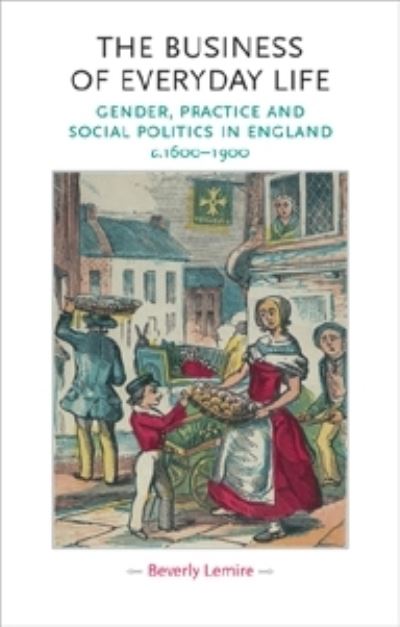
From 1600 to 1900 a growing consumerism fired the English economy, shaping the priorities of individuals, and determining the allocation of resources within families. Everyday business might mean making a trip to the pawnbroker, giving a loan to a trusted friend of selling off a coat, all to make ends meet. Both women and men engaged in this daily budgeting, but women's roles were especially important in achieving some level of comfort and avoiding penury. In some communities, the daily practices in place in the seventeenth century persisted into the twentieth, whilst other groups adopted new ways, such as using numbers to chart domestic affairs and turning to the savings banks that appeared in the nineteenth century. In the material world of the past and in the changing habits of earlier generations lie crucial turning points. This book explores these previously under-researched patterns and practices that gave shape to modern consumer society.
| ISBN: | 9780719072239 |
| Publication date: | 1st January 2012 |
| Author: | Beverly Lemire |
| Publisher: | Manchester University Press |
| Format: | Paperback |
| Pagination: | 257 pages |
| Series: | Gender in History |
| Genres: |
Social and cultural history Gender studies, gender groups |
From 1600 to 1900 a growing consumerism fired the English economy, shaping the priorities of individuals, and determining the allocation of resources within families. Everyday business might mean making a trip to the pawnbroker, giving a loan to a trusted friend of selling off a coat, all to make ends meet. Both women and men engaged in this daily budgeting, but women's roles were especially important in achieving some level of comfort and avoiding penury. In some communities, the daily practices in place in the seventeenth century persisted into the twentieth, whilst other groups adopted new ways, such as using numbers to chart domestic affairs and turning to the savings banks that appeared in the nineteenth century. In the material world of the past and in the changing habits of earlier generations lie crucial turning points. This book explores these previously under-researched patterns and practices that gave shape to modern consumer society.
The Business of Everyday Life features in the following genres: Social and cultural history, Gender studies, gender groups
The Business of Everyday Life is available in Paperback
The Business of Everyday Life was written by Beverly Lemire and published by Manchester University Press
The Business of Everyday Life has 257 pages
Yes it is part of Gender in History series
£17.99