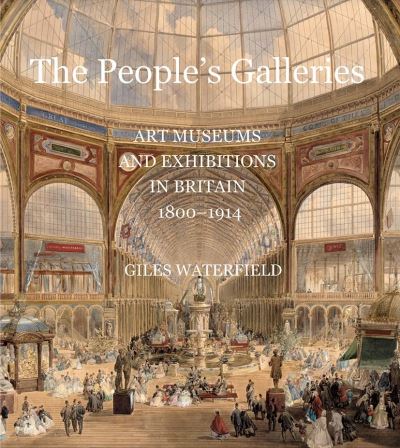
This innovative history of British art museums begins in the early 19th century. The National Gallery and the South Kensington Museum (now the Victoria and Albert Museum) in London may have been at the center of activity, but museums in cities such as Glasgow, Leeds, Liverpool, Manchester, and Nottingham were immensely popular and attracted enthusiastic audiences. The People's Galleries traces the rise of art museums in Britain through World War I, focusing on the phenomenon of municipal galleries. This richly illustrated book argues that these regional museums represented a new type of institution: an art gallery for a working-class audience, appropriate for the rapidly expanding cities and shaped by liberal ideals. As their broad appeal weakened with the new century, they adapted and became more conventional. Using a wide range of sources, the book studies the patrons and the publics, the collecting policies, the temporary exhibitions, and the architecture of these institutions, as well as the complex range of reasons for their foundation.
Published for the Paul Mellon Centre for Studies in British Art
Buy from our bookstore and 25% of the cover price will be given to a school of your choice to buy more books. *15% of eBooks.
Frequently asked questions
This innovative history of British art museums begins in the early 19th century. The National Gallery and the South Kensington Museum (now the Victoria and Albert Museum) in London may have been at the center of activity, but museums in cities such as Glasgow, Leeds, Liverpool, Manchester, and Nottingham were immensely popular and attracted enthusiastic audiences. The People's Galleries traces the rise of art museums in Britain through World War I, focusing on the phenomenon of municipal galleries. This richly illustrated book argues that these regional museums represented a new type of institution: an art gallery for a working-class audience, appropriate for the rapidly expanding cities and shaped by liberal ideals. As their broad appeal weakened with the new century, they adapted and became more conventional. Using a wide range of sources, the book studies the patrons and the publics, the collecting policies, the temporary exhibitions, and the architecture of these institutions, as well as the complex range of reasons for their foundation.
Published for the Paul Mellon Centre for Studies in British Art
The People's Galleries features in the following genres: European history, History and Archaeology, Social and cultural history
The People's Galleries is available in Hardback
The People's Galleries was written by Giles Waterfield and published by Paul Mellon Centre for Studies in British Art an imprint of Yale University Press
The People's Galleries has 372 pages
Join Our Community
Join our community for the latest bookish news, reading recommendations, exclusive opening extracts, author events and competitions. It\'s all free. And enter a monthly draw to win a £50 Gift Card. See past winners here