

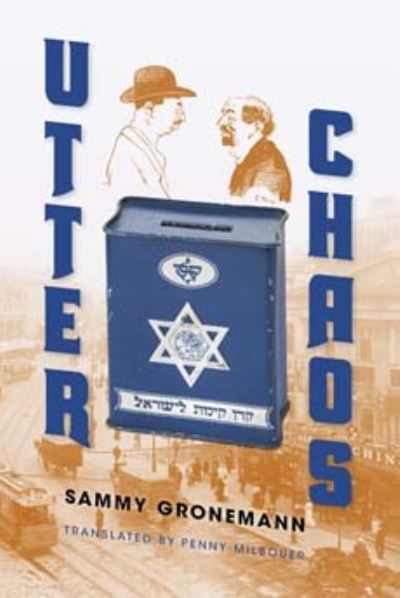
Published in Germany in 1920, Sammy Gronemann's satirical novel set in 1903 at the time of the Sixth Zionist Congress follows the life of a baptized Jew, Heinz Lehnsen, as he negotiates legal entanglements, German culture, religious differences, and Zionist aspirations. A chance encounter with a long-lost cousin from a shtetl in Russia further complicates the plot and challenges the characters' notions of Jewish identity and their belief in the claims of the Zionist movement. Gronemann's humor and compassion slyly expose the foibles and contradictions of human behavior. With deep insight into German society, German-Jewish culture, and antisemitism, Utter Chaos paints a highly entertaining portrait of German Jews at the beginning of the twentieth century.
| ISBN: | 9780253019578 |
| Publication date: | 21st March 2016 |
| Author: | Samuel Gronemann |
| Publisher: | Indiana University Press |
| Format: | Hardback |
| Pagination: | 320 pages |
| Series: | Jewish Literature and Culture |
| Genres: |
Historical Fiction |
Published in Germany in 1920, Sammy Gronemann's satirical novel set in 1903 at the time of the Sixth Zionist Congress follows the life of a baptized Jew, Heinz Lehnsen, as he negotiates legal entanglements, German culture, religious differences, and Zionist aspirations. A chance encounter with a long-lost cousin from a shtetl in Russia further complicates the plot and challenges the characters' notions of Jewish identity and their belief in the claims of the Zionist movement. Gronemann's humor and compassion slyly expose the foibles and contradictions of human behavior. With deep insight into German society, German-Jewish culture, and antisemitism, Utter Chaos paints a highly entertaining portrait of German Jews at the beginning of the twentieth century.
Utter Chaos features in the following genres: Historical Fiction
Utter Chaos is available in Paperback, Hardback
Utter Chaos was written by Samuel Gronemann and published by Indiana University Press
Utter Chaos has 320 pages
Yes it is part of Jewish Literature and Culture series