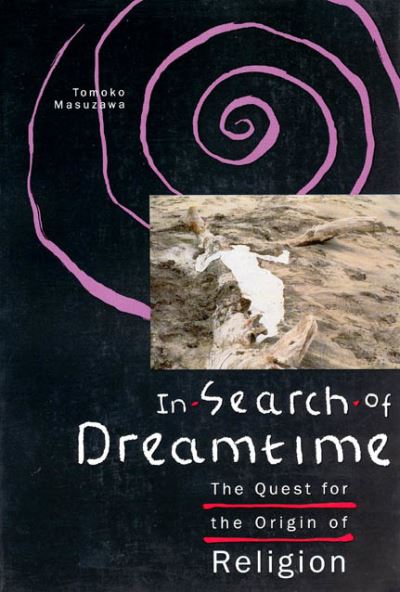
In this pioneering work of discourse analysis, Tomoko Masuzawa observes that the modern study of religion is peculiarly ambivalent toward the question of origin. Today's historians of religion maintain that they have abandoned speculative quests for the origin of religion; at the same time, they allege that concepts of absolute beginnings are fundamental to religion itself. By renouncing the desire for origins that they claim religious peoples embrace, historians can vicariously participate in the forbidden quest-so it seems-without forfeiting the authority accruing from their objectivist position.
This ambivalence of contemporary scholars echoes their ambivalence toward the ancestral "giants" of the discipline: Durkheim, Müller, and Freud. Masuzawa shows that the speculations of these three men on the origins of religion render the very notion of time and history problematic and contain powerful instruments for dislodging the position of "Western man" as the keeper of knowledge. Her critical rereading of these forefathers is framed by a compelling discussion of the postmodernist subversion of absolute origins in the works of Walter Benjamin and Rosalind Krauss and a comparison of Mircea Eliade and Nancy Munn's accounts of the Australian aboriginal "dreamtime." Engaging a number of critical issues within the burgeoning field of cultural studies, Masuzawa's book will have far-reaching implications not only for religious studies but throughout the human sciences.
Buy from our bookstore and 25% of the cover price will be given to a school of your choice to buy more books. *15% of eBooks.
Frequently asked questions
In this pioneering work of discourse analysis, Tomoko Masuzawa observes that the modern study of religion is peculiarly ambivalent toward the question of origin. Today's historians of religion maintain that they have abandoned speculative quests for the origin of religion; at the same time, they allege that concepts of absolute beginnings are fundamental to religion itself. By renouncing the desire for origins that they claim religious peoples embrace, historians can vicariously participate in the forbidden quest-so it seems-without forfeiting the authority accruing from their objectivist position.
This ambivalence of contemporary scholars echoes their ambivalence toward the ancestral "giants" of the discipline: Durkheim, Müller, and Freud. Masuzawa shows that the speculations of these three men on the origins of religion render the very notion of time and history problematic and contain powerful instruments for dislodging the position of "Western man" as the keeper of knowledge. Her critical rereading of these forefathers is framed by a compelling discussion of the postmodernist subversion of absolute origins in the works of Walter Benjamin and Rosalind Krauss and a comparison of Mircea Eliade and Nancy Munn's accounts of the Australian aboriginal "dreamtime." Engaging a number of critical issues within the burgeoning field of cultural studies, Masuzawa's book will have far-reaching implications not only for religious studies but throughout the human sciences.
In Search of Dreamtime features in the following genres: Cultural studies, Anthropology
In Search of Dreamtime is available in Paperback, Hardback
In Search of Dreamtime was written by Tomoko Masuzawa and published by The University of Chicago Press an imprint of University of Chicago Press
Join our community for the latest bookish news, reading recommendations, exclusive opening extracts, author events and competitions. It\'s all free. And enter a monthly draw to win a £50 Gift Card. See past winners here