

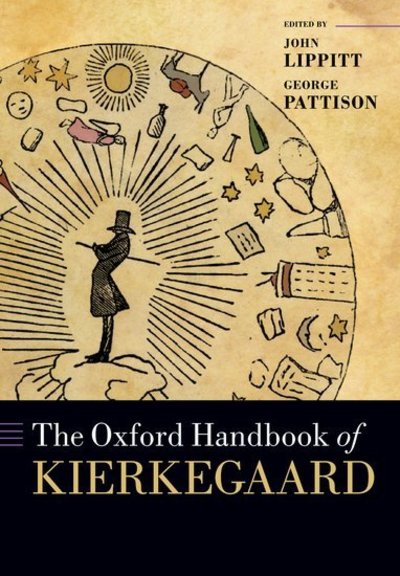
The Oxford Handbook of Kierkegaard brings together some of the most distinguished contemporary contributors to Kierkegaard research together with some of the more gifted younger commentators on Kierkegaard's work. There is significant input from scholars based in Copenhagen's Søren Kierkegaard Research Centre, as well as from philosophers and theologians from Britain, Germany, and the United States. Part 1 presents some of the philological, historical, and contextual work that has been produced in recent years, establishing a firm basis for the more interpretative essays found in following parts. This includes looking at the history of his published and unpublished works, his cultural and social context, and his relation to Romanticism, German Idealism, the Church, the Bible, and theological traditions. Part 2 moves from context and background to the exposition of some of the key ideas and issues in Kierkegaard's writings. Attention is paid to his style, his treatment of ethics, culture, society, the self, time, theology, love, irony, and death. Part 3 looks at the impact of Kierkegaard's thought and at how it continues to influence philosophy, theology, and literature. After an examination of issues around translating Kierkegaard, this section includes comparisons with Nietzsche, Heidegger, and Wittgenstein, as well as examining his role in modern theology, moral theology, phenomenology, postmodernism, and literature.
| ISBN: | 9780198709794 |
| Publication date: | 29th January 2015 |
| Author: | John Lippitt, George Pattison |
| Publisher: | Oxford University Press an imprint of OUP OXFORD |
| Format: | Paperback |
| Pagination: | 640 pages |
| Series: | Oxford Handbooks in Religion and Theology |
| Genres: |
Religious ethics Philosophy of religion Theology Philosophical traditions and schools of thought Christianity |
The Oxford Handbook of Kierkegaard brings together some of the most distinguished contemporary contributors to Kierkegaard research together with some of the more gifted younger commentators on Kierkegaard's work. There is significant input from scholars based in Copenhagen's Søren Kierkegaard Research Centre, as well as from philosophers and theologians from Britain, Germany, and the United States. Part 1 presents some of the philological, historical, and contextual work that has been produced in recent years, establishing a firm basis for the more interpretative essays found in following parts. This includes looking at the history of his published and unpublished works, his cultural and social context, and his relation to Romanticism, German Idealism, the Church, the Bible, and theological traditions. Part 2 moves from context and background to the exposition of some of the key ideas and issues in Kierkegaard's writings. Attention is paid to his style, his treatment of ethics, culture, society, the self, time, theology, love, irony, and death. Part 3 looks at the impact of Kierkegaard's thought and at how it continues to influence philosophy, theology, and literature. After an examination of issues around translating Kierkegaard, this section includes comparisons with Nietzsche, Heidegger, and Wittgenstein, as well as examining his role in modern theology, moral theology, phenomenology, postmodernism, and literature.
The Oxford Handbook of Kierkegaard features in the following genres: Religious ethics, Philosophy of religion, Theology, Philosophical traditions and schools of thought, Christianity
The Oxford Handbook of Kierkegaard is available in Paperback
The Oxford Handbook of Kierkegaard was written by John Lippitt, George Pattison and published by Oxford University Press an imprint of OUP OXFORD
The Oxford Handbook of Kierkegaard has 640 pages
Yes it is part of Oxford Handbooks in Religion and Theology series
£35.09