

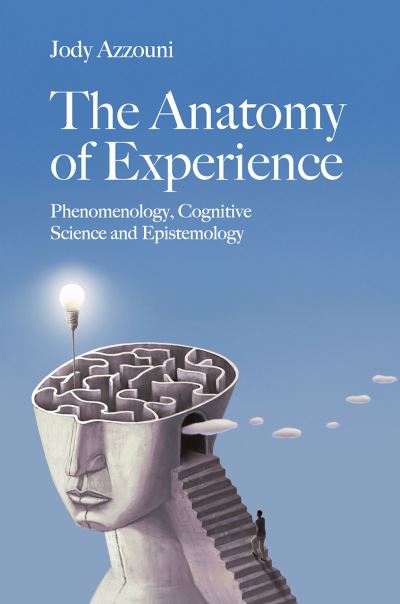
We think we know who we are by introspection, but recent results in the cognitive sciences show this is false. In The Anatomy of Experience Jody Azzouni explores the interconnections between the old-fashioned ways of learning about ourselves, via introspection and behaviourial patterns, and more recent tools from cognitive psychology and neuroscience designed to study the brain. Azzouni investigates our access to purported faculties of mind, our senses, our abilities to infer and remember and evaluates the metaphysical and epistemological status of these faculties. He argues that we have no such faculties in any genuine sense, and that our sensory and cognitive abilities, as we have self-described them for centuries, are, in a significant sense, not real. In fact, most of what we think about ourselves is a nearly indistinguishable projection onto the reality of who we are. Folk-psychology is, instead, where our self-image as cognitive agents is rooted. Folk-psychological concepts are indispensable for our characterization of ourselves as psychological beings. Neuroscientific advances in our understanding of ourselves require the folk-psychological framework in order to understand new developments about our minds. The sum result is a kind of Kantian picture of our understanding of ourselves. How we describe our minds is something we recognize to not describe how we are "in ourselves." Instead, how we are in ourselves can only be described in pure neurophysiological terms.
| ISBN: | 9780197790120 |
| Publication date: | 10th May 2026 |
| Author: | Jody Azzouni |
| Publisher: | Oxford University Press an imprint of OUP USA |
| Format: | Hardback |
| Pagination: | 339 pages |
| Genres: |
Cognitivism, cognitive theory Philosophy: metaphysics and ontology Philosophy: epistemology and theory of knowledge Electricity, electromagnetism and magnetism |
We think we know who we are by introspection, but recent results in the cognitive sciences show this is false. In The Anatomy of Experience Jody Azzouni explores the interconnections between the old-fashioned ways of learning about ourselves, via introspection and behaviourial patterns, and more recent tools from cognitive psychology and neuroscience designed to study the brain. Azzouni investigates our access to purported faculties of mind, our senses, our abilities to infer and remember and evaluates the metaphysical and epistemological status of these faculties. He argues that we have no such faculties in any genuine sense, and that our sensory and cognitive abilities, as we have self-described them for centuries, are, in a significant sense, not real. In fact, most of what we think about ourselves is a nearly indistinguishable projection onto the reality of who we are. Folk-psychology is, instead, where our self-image as cognitive agents is rooted. Folk-psychological concepts are indispensable for our characterization of ourselves as psychological beings. Neuroscientific advances in our understanding of ourselves require the folk-psychological framework in order to understand new developments about our minds. The sum result is a kind of Kantian picture of our understanding of ourselves. How we describe our minds is something we recognize to not describe how we are "in ourselves." Instead, how we are in ourselves can only be described in pure neurophysiological terms.
The Anatomy of Experience features in the following genres: Cognitivism, cognitive theory, Philosophy: metaphysics and ontology, Philosophy: epistemology and theory of knowledge, Electricity, electromagnetism and magnetism
The Anatomy of Experience is available in Hardback
The Anatomy of Experience was written by Jody Azzouni and published by Oxford University Press an imprint of OUP USA
The Anatomy of Experience has 339 pages
£53.10