

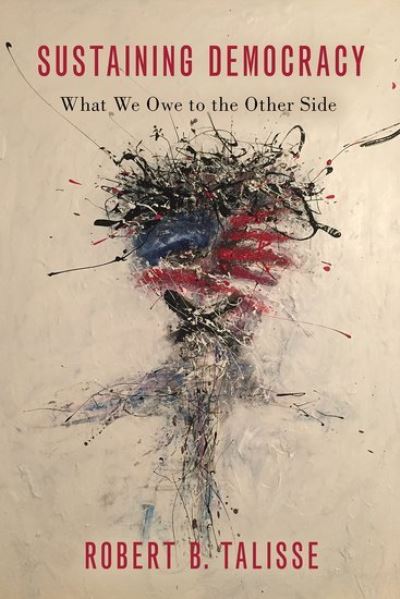
Democracy is not easy. Citizens who disagree sharply about politics must nonetheless work together as equal partners in the enterprise of collective self-government. Ideally, this work would be conducted under conditions of mutual civility, with opposed citizens nonetheless recognizing one another's standing as political equals. But when the political stakes are high, and the opposition seems to us severely mistaken, why not drop the democratic pretences of civil partnership, and simply play to win? Why seek to uphold properly democratic relations with those who embrace political ideas that are flawed, irresponsible, and out of step with justice? Why sustain democracy with political foes? Drawing on extensive social science research concerning political polarization and partisan identity, Robert B. Talisse argues that when we break off civil interactions with our political opponents, we imperil relations with our political allies. In the absence of engagement with our political critics, our alliances grow increasingly homogeneous, conformist, and hierarchical. Moreover, they fracture and devolve amidst internal conflicts. In the end, our political aims suffer because our coalitions shrink and grow ineffective. Why sustain democracy with our foes? Because we need them if we are going to sustain democracy with our allies and friends.
| ISBN: | 9780197556450 |
| Publication date: | 22nd November 2021 |
| Author: | Robert B Talisse |
| Publisher: | Oxford University Press an imprint of OUP USA |
| Format: | Hardback |
| Pagination: | 184 pages |
| Genres: |
Ethics and moral philosophy Social and political philosophy Comparative politics |
Democracy is not easy. Citizens who disagree sharply about politics must nonetheless work together as equal partners in the enterprise of collective self-government. Ideally, this work would be conducted under conditions of mutual civility, with opposed citizens nonetheless recognizing one another's standing as political equals. But when the political stakes are high, and the opposition seems to us severely mistaken, why not drop the democratic pretences of civil partnership, and simply play to win? Why seek to uphold properly democratic relations with those who embrace political ideas that are flawed, irresponsible, and out of step with justice? Why sustain democracy with political foes? Drawing on extensive social science research concerning political polarization and partisan identity, Robert B. Talisse argues that when we break off civil interactions with our political opponents, we imperil relations with our political allies. In the absence of engagement with our political critics, our alliances grow increasingly homogeneous, conformist, and hierarchical. Moreover, they fracture and devolve amidst internal conflicts. In the end, our political aims suffer because our coalitions shrink and grow ineffective. Why sustain democracy with our foes? Because we need them if we are going to sustain democracy with our allies and friends.
Sustaining Democracy features in the following genres: Ethics and moral philosophy, Social and political philosophy, Comparative politics
Sustaining Democracy is available in Hardback, Ebook
Sustaining Democracy was written by Robert B Talisse and published by Oxford University Press an imprint of OUP USA
Sustaining Democracy has 184 pages
£24.29