

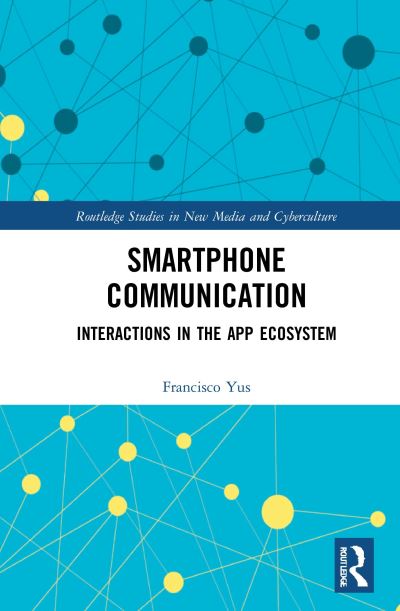
This book offers a unique model for understanding the cognitive underpinnings, interactions and discursive effects of our evolving use of smartphones in everyday app-mediated communication, from text messages and GIFs to images, video and social media apps.
Adopting a cyberpragmatics framework, grounded in cognitive pragmatics and relevance theory, it gives attention to how both the particular interfaces of different apps and users' personal attributes influence the contexts and uses of smartphone communication. The communication of emotions - in addition to primarily linguistic content - is foregrounded as an essential element of the kinds of ever-present paralinguistic and phatic communication that characterises our exchange of memes, GIFs, "likes," and image- and video-based content. Insights from related disciplines such as media studies and sociology are incorporated as the author unpacks the timeliest questions of our digitally mediated age.
Aimed primarily at scholars and graduate students of communication, linguistics, pragmatics, media studies, and sociology of mass media, Smartphone Communication traffics in topics that will likewise engage upper-level undergraduate students.
| ISBN: | 9781032060668 |
| Publication date: | 6th September 2021 |
| Author: | Francisco Yus |
| Publisher: | Routledge an imprint of Taylor & Francis |
| Format: | Hardback |
| Pagination: | 318 pages |
| Series: | Routledge Studies in New Media and Cyberculture |
| Genres: |
Media studies Cultural studies Semantics, discourse analysis, stylistics Communication studies Digital and information technologies: social and ethical aspects Digital and information technologies: Legal aspects Human–computer interaction History The Arts |
This book offers a unique model for understanding the cognitive underpinnings, interactions and discursive effects of our evolving use of smartphones in everyday app-mediated communication, from text messages and GIFs to images, video and social media apps.Adopting a cyberpragmatics framework, grounded in cognitive pragmatics and relevance theory, it gives attention to how both the particular interfaces of different apps and users' personal attributes influence the contexts and uses of smartphone communication. The communication of emotions - in addition to primarily linguistic content - is foregrounded as an essential element of the kinds of ever-present paralinguistic and phatic communication that characterises our exchange of memes, GIFs, "likes," and image- and video-based content.
Smartphone Communication features in the following genres: Media studies, Cultural studies, Semantics, discourse analysis, stylistics, Communication studies, Digital and information technologies: social and ethical aspects, Digital and information technologies: Legal aspects, Human–computer interaction, History, The Arts
Hardback, Ebook. £154.79, down from the £171.99 cover price. Not Available.
Smartphone Communication was written by Francisco Yus and published by Routledge an imprint of Taylor & Francis
Smartphone Communication has 318 pages
Yes it is part of Routledge Studies in New Media and Cyberculture series
£154.79, reduced from £171.99. Not Available.