

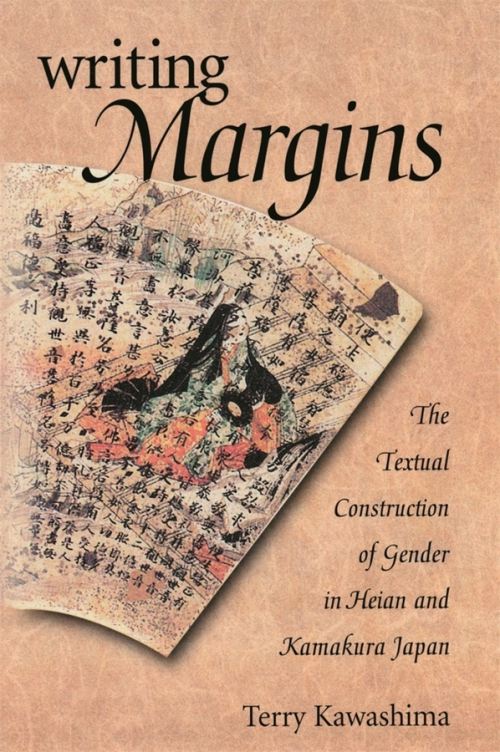
In texts from the mid-Heian to the early Kamakura periods, certain figures appear to be "marginal" or removed from "centers" of power. But why do we see these figures in this way?
This study first seeks to answer this question by examining the details of the marginalizing discourse found in these texts. Who is portraying whom as marginal? For what reason? Is the discourse consistent? The author next considers these texts in terms of the predilection of modern scholarship, both Japanese and Western, to label certain figures "marginal." She then poses the question: Is this predilection a helpful tool or does it inscribe modern biases and misconceptions onto these texts?
| ISBN: | 9780674005167 |
| Publication date: | 3rd September 2001 |
| Author: | Terry Kawashima |
| Publisher: | Harvard University Asia Center an imprint of Harvard University Press |
| Format: | Hardback |
| Pagination: | 352 pages |
| Series: | Harvard East Asian Monographs |
| Genres: |
Geography |
In texts from the mid-Heian to the early Kamakura periods, certain figures appear to be "marginal" or removed from "centers" of power. But why do we see these figures in this way?This study first seeks to answer this question by examining the details of the marginalizing discourse found in these texts.
Writing Margins features in the following genres: Geography
Hardback. Not Available.
Writing Margins was written by Terry Kawashima and published by Harvard University Asia Center an imprint of Harvard University Press
Writing Margins has 352 pages
Yes it is part of Harvard East Asian Monographs series