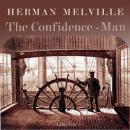
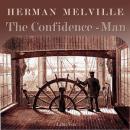
"The Confidence-Man: His Masquerade was the last major novel by Herman Melville, the American writer and author of Moby-Dick. Published on April 1, 1857 (presumably the exact day of the novel's setting), The Confidence-Man was Melville's tenth major work in eleven years. The novel portrays a Canterbury Tales-style group of steamboat passengers whose interlocking stories are told as they travel down the Mississippi River toward New Orleans. The novel is written as cultural satire, allegory, and metaphysical treatise, dealing with themes of sincerity, identity, morality, religiosity, economic materialism, irony, and cynicism. Many critics have placed The Confidence-Man alongside Melville's Moby-Dick and "Bartleby the Scrivener" as a precursor to 20th-century literary preoccupations with nihilism, existentialism, and absurdism. (Introduction by Wikipedia)"
"Three Soldiers is a 1920 novel by the American writer and critic John Dos Passos. It is one of the key American war novels of the First World War, and remains a classic of the realist war novel genre. H.L. Mencken, then practicing primarily as an American literary critic, praised the book in the pages of the Smart Set. "Until Three Soldiers is forgotten and fancy achieves its inevitable victory over fact, no war story can be written in the United States without challenging comparison with it--and no story that is less meticulously true will stand up to it. At one blast it disposed of oceans of romance and blather. It changed the whole tone of American opinion about the war; it even changed the recollections of actual veterans of the war. They saw, no doubt, substantially what Dos Passos saw, but it took his bold realism to disentangle their recollections from the prevailing buncombe and sentimentality." (Summary from Wikipedia)"
"This was Melville’s Last novel. Published on April 1, The Confidence-Man was Melville's tenth major work in eleven years. The novel portrays a Canterbury Tales-style group of steamboat passengers whose interlocking stories are told as they travel down the Mississippi River toward New Orleans. The novel is written as cultural satire, allegory, and metaphysical treatise, dealing with themes of sincerity, identity, morality, religiosity, economic materialism, irony, and cynicism."
Join our community for the latest bookish news, reading recommendations, exclusive opening extracts, author events and competitions. It\'s all free. And enter a monthly draw to win a £50 Gift Card. See past winners here