

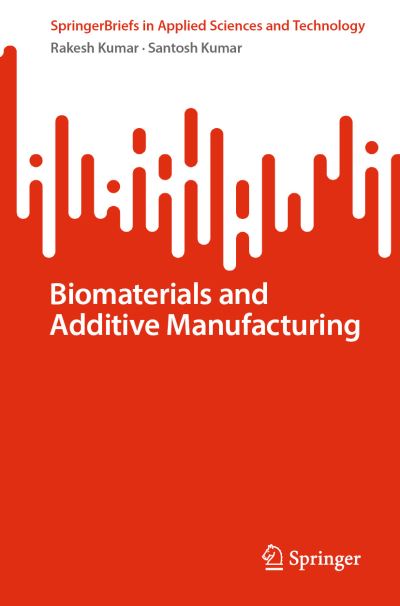
This book addresses the challenges of using metallic biomaterials in implants. It delves into the selection process for these materials, considering factors like mechanical strength, biocompatibility, and resistance to wear and tear. However, the primary focus is on understanding and combating corrosion. Different types of corrosions are explored, highlighting their mechanisms and potential consequences. Existing research on surface modification techniques is reviewed, offering methods to improve the longevity and safety of implants. The book then introduces the exciting world of additive manufacturing (AM), a revolutionary technique for creating implants. It explores various AM technologies and their suitability for creating biomaterials (metallic's, ceramics and polymers). Subsequently, the diverse applications of AM in biomaterials and biomedical devices are explored. The book explores various post-processing methods used to refine parts created with AM. These methods not only improve the surface finish but can also enhance the overall properties of the implant. By analyzing existing research and exploring innovative techniques, this book aims to equip researchers and professionals with the knowledge to develop better metallic biomaterials. Ultimately, the goal is to create implants that last longer, function flawlessly, and offer a safer and more durable solution for patients.
| ISBN: | 9789819612734 |
| Publication date: | 12th March 2025 |
| Author: | Rakesh Kumar, Santosh Kumar |
| Publisher: | Springer an imprint of Springer Nature Singapore |
| Format: | Paperback |
| Pagination: | 116 pages |
| Series: | SpringerBriefs in Applied Sciences and Technology |
| Genres: |
Applied physics Engineering applications of bio-materials Engineering applications of polymers and composites Materials science Biomedical engineering |
This book addresses the challenges of using metallic biomaterials in implants. It delves into the selection process for these materials, considering factors like mechanical strength, biocompatibility, and resistance to wear and tear.
Biomaterials and Additive Manufacturing features in the following genres: Applied physics, Engineering applications of bio-materials, Engineering applications of polymers and composites, Materials science, Biomedical engineering
Paperback. £44.99, down from the £49.99 cover price. Not Available.
Biomaterials and Additive Manufacturing was written by Rakesh Kumar, Santosh Kumar and published by Springer an imprint of Springer Nature Singapore
Biomaterials and Additive Manufacturing has 116 pages
Yes it is part of SpringerBriefs in Applied Sciences and Technology series
£44.99, reduced from £49.99. Not Available.