

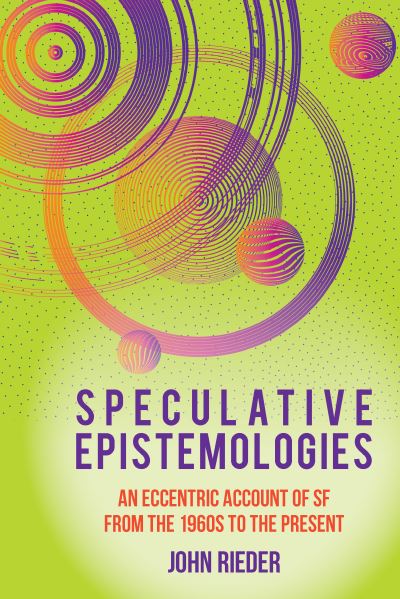
Speculative Epistemologies is about truth effects in sf, which stands for both science fiction and speculative fiction. It examines six narratives, one from each decade from the 1960s to the 2010s, that challenge dominant assumptions about the normal, the possible, and the real. It asks what the patterns of overlap and interference generated by texts located in border territories that make their identification as sf problematic, and sometimes controversial, can reveal about the dynamics of sf's multiple subcultures (e.g. professionals, academics, and fans); the complexity of the genre's communities of practice and their routes of production, distribution, and reception; and the genre's shifting position within a broadly conceived field of literary and cultural production. The "speculative epistemologies" in these stories are
counter-hegemonic ways of knowing, ways of imagining knowing differently, and the focus of this study is their effect on the formation of identities and communities. Combining the methods of genre theory, reception theory, and the sociology of cultural production, the readings of these six narratives trace a history of sf's increasingly feminist, racially and ethnically diverse, philosophically ambitious, and politically engaged character from the 1960s to the present.
| ISBN: | 9781802077810 |
| Publication date: | 1st March 2023 |
| Author: | John Rieder |
| Publisher: | Liverpool University Press |
| Format: | Paperback |
| Pagination: | 192 pages |
| Series: | Liverpool Science Fiction Texts and Studies |
| Genres: |
Literary studies: fiction, novelists and prose writers Literary studies: c 1900 to c 2000 Literary studies: from c 2000 |
Speculative Epistemologies is about truth effects in sf, which stands for both science fiction and speculative fiction. It examines six narratives, one from each decade from the 1960s to the 2010s, that challenge dominant assumptions about the normal, the possible, and the real.
Speculative Epistemologies features in the following genres: Literary studies: fiction, novelists and prose writers, Literary studies: c 1900 to c 2000, Literary studies: from c 2000
Paperback, Hardback. Not Available.
Speculative Epistemologies was written by John Rieder and published by Liverpool University Press
Speculative Epistemologies has 192 pages
Yes it is part of Liverpool Science Fiction Texts and Studies series