

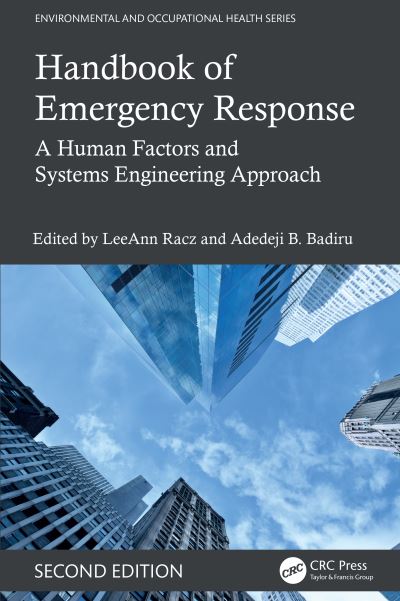
Despite pre-emptive preparations, disasters can and do occur and are a fact of life. Whether natural disasters, catastrophic accidents, or terrorist attacks, the risk cannot be completely eliminated. A carefully prepared response is your best defense. This fully updated second edition of the Handbook of Emergency Response presents practical advice and guidelines on how to plan the coordinated execution of emergency response.
This handbook incorporates human factors and a systems engineering approach to emergency response project management. It provides cutting-edge research in developing a systematic structure for communication, cooperation, and coordination. Managing a project in the wake of a tragedy is complicated and involves various emotional, sentimental, reactive, and chaotic responses.
This is the time when a structured communication model is most needed. This second edition includes important lessons learned and developments since the first edition was published, as well as additional information devoted to systems thinking and industrial engineering in planning for responses to emergencies.
The reader will develop a thorough understanding of how to handle an emergency response using a systems approach.
The handbook is an ideal purchase for any student or practitioner of human factors, safety, systems engineering, events management, local or federal governance, or those in the emergency services.
| ISBN: | 9781041090434 |
| Publication date: | 28th December 2026 |
| Author: | |
| Publisher: | CRC Press |
| Format: | Paperback |
| Pagination: | 514 pages |
| Series: | Environmental and Occupational Health Series |
| Genres: |
Emergency services Project management Cybernetics and systems theory |
Despite pre-emptive preparations, disasters can and do occur and are a fact of life. Whether natural disasters, catastrophic accidents, or terrorist attacks, the risk cannot be completely eliminated.
features in the following genres: Emergency services, Project management, Cybernetics and systems theory
Paperback, Book, Hardback, Board book, Ebook, . £59.39, down from the £65.99 cover price. Not Available.
was written by and published by CRC Press
has 514 pages
Yes it is part of Environmental and Occupational Health Series series
£59.39, reduced from £65.99. Not Available.