

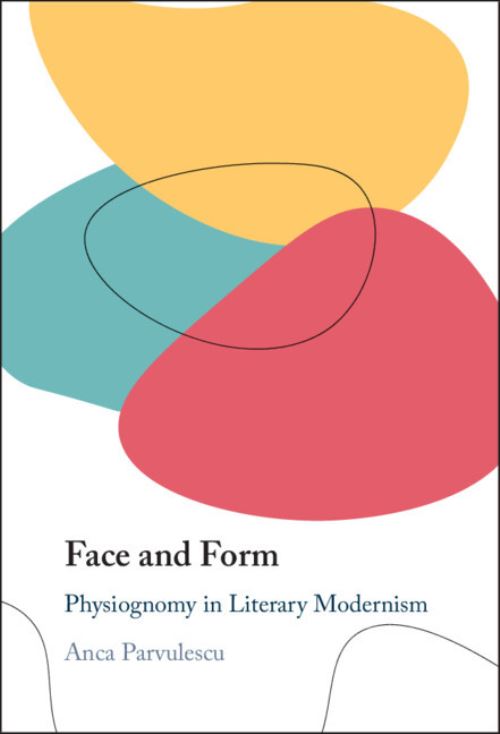
Faces, faces, faces - faces everywhere! Modernism was obsessed with the ubiquity of the human face. Thomas Mann, Marcel Proust, Virginia Woolf, Gertrude Stein, and, later, Kobo Abe framed their literary projects around the question of the face, its dynamic of legibility and opacity.
In literary modernism, the face functioned as a proxy for form, memory, intermediality, or difference - and combinations thereof. The old pseudo-science of physiognomy, which assumed faces to be sites of legible meaning, was in the process reconfigured. Modernist faces lost their connection to interiority, but remained surfaces of reading and interpretation.
As such, they also became canvases for creative appropriation, what Mina Loy called auto-facial-construction. The modernist overinvestment in faces functions as a warning against the return of physiognomy in contemporary technologies of facial recognition. This title is also available as open access on Cambridge Core.
| ISBN: | 9781009599795 |
| Publication date: | 31st August 2025 |
| Author: | Anca Parvulescu |
| Publisher: | Cambridge University Press |
| Format: | Hardback |
| Pagination: | 206 pages |
| Genres: |
Phrenology and physiognomy Feminism and feminist theory Literary studies: c 1800 to c 1900 Literary studies: c 1900 to c 2000 |
Faces, faces, faces - faces everywhere! Modernism was obsessed with the ubiquity of the human face.
Face and Form features in the following genres: Phrenology and physiognomy, Feminism and feminist theory, Literary studies: c 1800 to c 1900, Literary studies: c 1900 to c 2000
Hardback. Not Available.
Face and Form was written by Anca Parvulescu and published by Cambridge University Press
Face and Form has 206 pages