

A fresh perspective on the enduring relationship between literature, democracy, and dissent
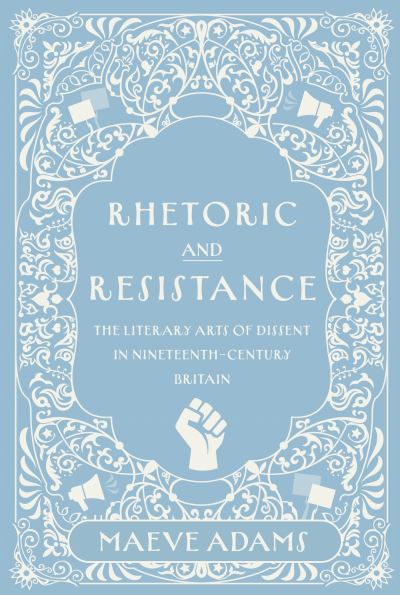
Rhetoric and Resistance explores the transformative role of nineteenth-century literature in shaping modern concepts and practices of democratic dissent. By examining the works of Romantic and Victorian novelists, poets, and journalists, Maeve Adams identifies origins of modern theories and practices of resistance in nineteenth-century literary forms. Offering a literary history of dissent, the book recovers the intertwined development of democracy and aesthetics, revealing how narrative form became a potent tool for challenging authority.
Tracing the lineage of dissent from the radical fiction and journalism of the 1800s to contemporary movements like #MeToo, Adams offers a genealogy that highlights how literary texts experimented with political power, granting new and consequential voices to working-class individuals, women, colonized peoples, and other marginalized groups.
Adams takes an interdisciplinary approach, weaving together close readings of works by Thomas De Quincey, Walter Scott, Elizabeth Gaskell, and H. G. Wells, as well as lesser-known journalists, with insights from modern moral and political philosophy. Drawing on theories of democratic ethics and justice from scholars such as Miranda Fricker, Sharon Krause, Martha Nussbaum, and Philip Pettit, the book bridges literary history and contemporary debates about political agency and expression.
| ISBN: | 9780821426463 |
| Publication date: | 30th September 2025 |
| Author: | Maeve Adams |
| Publisher: | Ohio University Press |
| Format: | Hardback |
| Pagination: | 277 pages |
| Series: | Series in Victorian Studies |
| Genres: |
Literature: history and criticism Political structures: democracy |
A fresh perspective on the enduring relationship between literature, democracy, and dissent
Rhetoric and Resistance explores the transformative role of nineteenth-century literature in shaping modern concepts and practices of democratic dissent. By examining the works of Romantic and Victorian novelists, poets, and journalists, Maeve Adams identifies origins of modern theories and practices of resistance in nineteenth-century literary forms. Offering a literary history of dissent, the book recovers the intertwined development of democracy and aesthetics, revealing how narrative form became a potent tool for challenging authority.
Tracing the lineage of dissent from the radical fiction and journalism of the 1800s to contemporary movements like #MeToo, Adams offers a genealogy that highlights how literary texts experimented with political power, granting new and consequential voices to working-class individuals, women, colonized peoples, and other marginalized groups.
Adams takes an interdisciplinary approach, weaving together close readings of works by Thomas De Quincey, Walter Scott, Elizabeth Gaskell, and H. G. Wells, as well as lesser-known journalists, with insights from modern moral and political philosophy. Drawing on theories of democratic ethics and justice from scholars such as Miranda Fricker, Sharon Krause, Martha Nussbaum, and Philip Pettit, the book bridges literary history and contemporary debates about political agency and expression.
Rhetoric and Resistance features in the following genres: Literature: history and criticism, Political structures: democracy
Rhetoric and Resistance is available in Hardback
Rhetoric and Resistance was written by Maeve Adams and published by Ohio University Press
Rhetoric and Resistance has 277 pages
Yes it is part of Series in Victorian Studies series
£57.60