

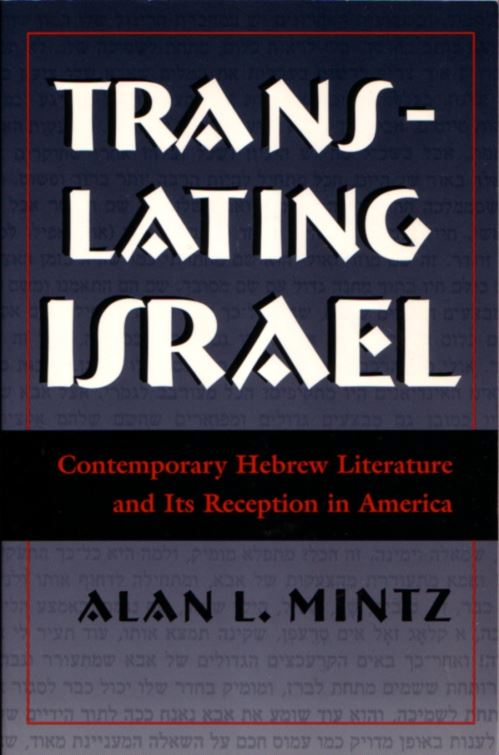
Reflects the rise of literature in modern-day Israel and the problematic reception of literature in America and within the American Jewish community. Israeli literature provides a unique lens for viewing the inner dynamics of this small but critically important society. In addition, its leading writers such as S.
Y. Agnon, Yehuda Amichai, Amos Oz, and A. B.
Yehoshua, among others, are recognized internationally as major world literary figures. Despite this international recognition, the rich literary tradition of Israeli literature has failed to reverberate and find significant readership or a following in America even among the American Jewish community. Alan L.
Mintz traces the reception of Israeli literature in America from the 1970s to the present. He analyzes the influences that have shaped modern Israeli literature and reflects on the cultural differences that have impeded American and American Jewish appreciation of Israeli authors. Mintz then turns his attention to specific writers, examining their reception or lack thereof in America and places them within the emerging unfolding critical dialogue between the Israeli and American literary culture.
| ISBN: | 9780815629009 |
| Publication date: | 31st May 2001 |
| Author: | Alan L Mintz |
| Publisher: | Syracuse University Press |
| Format: | Paperback |
| Pagination: | 272 pages |
| Series: | Judaic Traditions in Literature, Music, and Art |
| Genres: |
Literary studies: general Literary companions, book reviews and guides |
Reflects the rise of literature in modern-day Israel and the problematic reception of literature in America and within the American Jewish community. Israeli literature provides a unique lens for viewing the inner dynamics of this small but critically important society.
Translating Israel features in the following genres: Literary studies: general, Literary companions, book reviews and guides
Paperback. Not Available.
Translating Israel was written by Alan L Mintz and published by Syracuse University Press
Translating Israel has 272 pages
Yes it is part of Judaic Traditions in Literature, Music, and Art series