

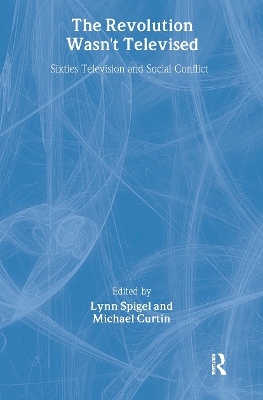
Caricatures of sixties television--called a "vast wasteland" by the FCC president in the early sixties--continue to dominate our perceptions of the era and cloud popular understanding of the relationship between pop culture and larger social forces. Opposed to these conceptions, The Revolution Wasn't Televised explores the ways in which prime-time television was centrally involved in the social conflicts of the 1960s. It was then that television became a ubiquitous element in American homes.
The contributors in this volume argue that due to TV's constant presence in everyday life, it became the object of intense debates over childraising, education, racism, gender, technology, politics, violence, and Vietnam. These essays explore the minutia of TV in relation to the macro-structure of sixties politics and society, attempting to understand the struggles that took place over representation the nation's most popular communications media during the 1960s.
| ISBN: | 9780415911214 |
| Publication date: | 4th April 1997 |
| Author: | Lynn Spigel |
| Publisher: | Routledge an imprint of Taylor & Francis Ltd |
| Format: | Hardback |
| Pagination: | 368 pages |
| Series: | AFI Film Readers |
| Genres: |
History Media studies |
Caricatures of sixties television--called a "vast wasteland" by the FCC president in the early sixties--continue to dominate our perceptions of the era and cloud popular understanding of the relationship between pop culture and larger social forces. Opposed to these conceptions, The Revolution Wasn't Televised explores the ways in which prime-time television was centrally involved in the social conflicts of the 1960s.
The Revolution Wasn't Televised features in the following genres: History, Media studies
Hardback, Paperback. £154.79, down from the £171.99 cover price. Not Available.
The Revolution Wasn't Televised was written by Lynn Spigel and published by Routledge an imprint of Taylor & Francis Ltd
The Revolution Wasn't Televised has 368 pages
Yes it is part of AFI Film Readers series
£154.79, reduced from £171.99. Not Available.