

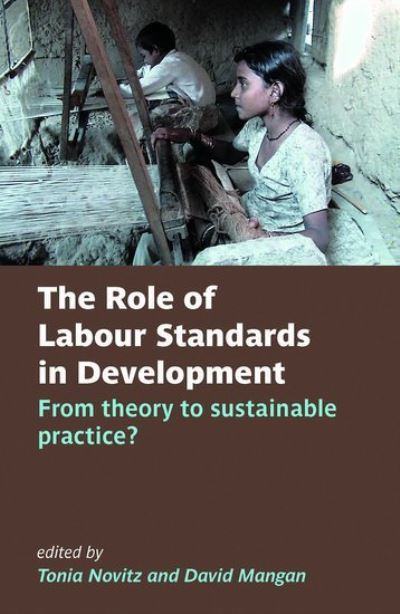
This edited collection examines the multi-faceted ways in which labour standards can play a role in the achievement of development. A variety of critical perspectives are presented here, with contributions from a number of different disciplines, including law, politics, and economics. The book begins by considering potential theoretical connections between work and development, acknowledging controversy over how the latter should be approached, interpreted and rendered 'sustainable'. The remainder of the collection is devoted to an analysis of the part that protection of labour standards can play in developmental terms, with reference to concrete issues: anti-discrimination, child labour, trade relations, and social dialogue. The book concludes with a final chapter, reflecting on how theory has been and could be put into practice.
The theme that transcends all the contributions to this collection is that of human agency. The authors are not merely interested in the realisation of an individual person's 'functioning' in society (which development will assist), but also with the ways that people can be engaged in the very process of defining what development aims should and can be. They do not wish to see economic, social and environmental development objectives as being determined by technical experts and implemented according to their prescriptions. Rather, they consider development in procedural as well as substantive terms, and in participatory as well as material terms.
| ISBN: | 9780197264911 |
| Publication date: | 27th October 2011 |
| Author: | British Academy |
| Publisher: | The British Academy an imprint of Liverpool University Press |
| Format: | Paperback |
| Pagination: | 300 pages |
| Series: | British Academy Original Paperbacks |
| Genres: |
Labour / income economics Development economics and emerging economies Political economy Employment and labour law: general |
This edited collection examines the multi-faceted ways in which labour standards can play a role in the achievement of development. A variety of critical perspectives are presented here, with contributions from a number of different disciplines, including law, politics, and economics. The book begins by considering potential theoretical connections between work and development, acknowledging controversy over how the latter should be approached, interpreted and rendered 'sustainable'. The remainder of the collection is devoted to an analysis of the part that protection of labour standards can play in developmental terms, with reference to concrete issues: anti-discrimination, child labour, trade relations, and social dialogue. The book concludes with a final chapter, reflecting on how theory has been and could be put into practice.
The theme that transcends all the contributions to this collection is that of human agency. The authors are not merely interested in the realisation of an individual person's 'functioning' in society (which development will assist), but also with the ways that people can be engaged in the very process of defining what development aims should and can be. They do not wish to see economic, social and environmental development objectives as being determined by technical experts and implemented according to their prescriptions. Rather, they consider development in procedural as well as substantive terms, and in participatory as well as material terms.
The Role of Labour Standards in Development features in the following genres: Labour / income economics, Development economics and emerging economies, Political economy, Employment and labour law: general
The Role of Labour Standards in Development is available in Paperback
The Role of Labour Standards in Development was written by British Academy and published by The British Academy an imprint of Liverpool University Press
The Role of Labour Standards in Development has 300 pages
Yes it is part of British Academy Original Paperbacks series