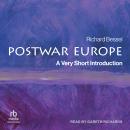
"The Second World War was the most destructive conflict in history. It left Europe in ruins, its economies severely damaged and millions of its people facing malnutrition, its political systems shaken if not destroyed. Yet three decades later its economies had recovered; it largely appeared politically stable; its inhabitants generally were well housed and well fed. Then at the end of the 1980s, the postwar settlement disintegrated, and a new chapter in Europe's postwar history had begun.
In this Very Short Introduction, Richard Bessel presents a clear, concise, informative account of Europe's history between the end of the Second World War and roughly the end of the twentieth century. He explores the conditions in Europe at the end of the war, how political life took shape and societies were rebuilt, the impressive economic recovery, the Cold War division, the end of empire, and European cultural life. Bessel discusses how we might understand the beginnings and endings of the postwar era, and emphasizes the importance of the experiences and actions of specific generations of Europeans."
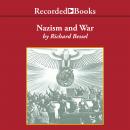
"Richard Bessel, history professor at the University of York, specializes in the social and political history of Nazi Germany. In four compelling essays, he forcefully argues that racism made war inevitable. The Third Reich, led by 'a band of political gangsters,' came to power with a deep ideological commitment to war and racism. As the driving force behind the economics, social policy and propaganda of Germany, racial hatred was the catalyst that plunged Europe into war."
Join our community for the latest bookish news, reading recommendations, exclusive opening extracts, author events and competitions. It\'s all free. And enter a monthly draw to win a £50 Gift Card. See past winners here