"Something says find out
why rain falls, what makes corn proud
and squash so humble, the questions
call like a train whistle …
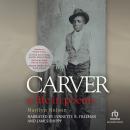
George Washington Carver was determined to help the people he loved. Born enslaved in Missouri, he left home in search of an education, eventually earning his master’s degree. When Booker T. Washington invited Carver to start the agricultural department
at the all-Black-staffed Tuskegee Institute, Carver found his calling. He spent the rest of his life seeking solutions to poverty among landless Black farmers by developing new uses for soil-replenishing crops such as peanuts, cowpeas, and sweet potatoes. Known for his
achievements as a botanist and inventor, Carver’s quest also led him to become a gifted painter, musician, and teacher. This collection of poems by award-winning poet Marilyn Nelson paints a compelling portrait of Carver’s complex, profoundly devout life."
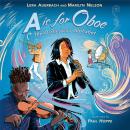
"This deeply imaginative and entertaining poetry collection details the pleasures of the orchestra, from strong-willed A to satisfied Z.
Two widely acclaimed poets--one a composer and classical pianist as well--have come together to create this extraordinary portrait of the orchestra in all of its richness and fascination, using the structure of the alphabet in a way that's entirely new and delightful. A is for the first note you hear as you take your seat in the concert hall, played by the headstrong oboe. B is for the bassoon, 'the orchestra's jester, complaining impatiently through his nose.' And C is for the conductor, 'like the captain on the bridge of a great ship, navigating the composer's musical charts.'
Onward the text goes, soaring in reverie and making thought-provoking observations while not taking itself too seriously--illuminating all the various details that flow together to create the nourishing experience of playing or listening to music.
* This audiobook contains a downloadable PDF detailing information about the musical excerpts included in the audiobook."
"A powerful biography in poems about a trailblazing artist and a pillar of the Harlem Renaissance-with an afterword by the curator of the Schomburg Center for Research in Black Culture.
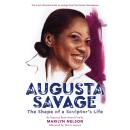
Augusta Savage was arguably the most influential American artist of the 1930s. A gifted sculptor, Savage was commissioned to create a portrait bust of W.E.B. Du Bois for the New York Public Library. She flourished during the Harlem Renaissance, and became a teacher to an entire generation of African American artists, including Jacob Lawrence, and would go on to be nationally recognized as one of the featured artists at the 1939 World's Fair. She was the first-ever recorded Black gallerist. After being denied an artists' fellowship abroad on the basis of race, Augusta Savage worked to advance equal rights in the arts. And yet popular history has forgotten her name. Deftly written and brimming with photographs of Savage's stunning sculpture, this is an important portrait of an exceptional artists who, despite the limitations she faced, was compelled to forge a life through art and creativity."
Join our community for the latest bookish news, reading recommendations, exclusive opening extracts, author events and competitions. It\'s all free. And enter a monthly draw to win a £50 Gift Card. See past winners here