

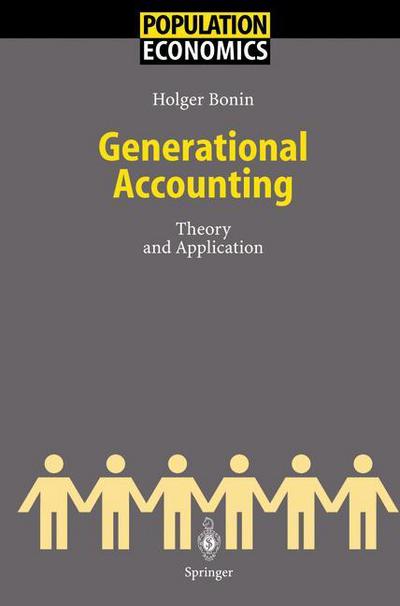
Among the concepts used to assess the sustainability of fiscal policy in a changing demographic environment, generational accounting has become the most prominent. This book gives a complete and up-to-date introduction to the theory and practice of the method. It reveals deficiencies of the original residual concept and discusses various measures of intergenerational redistribution based on the recent sustainability approach to generational accounting.
An application using data on German public finances serves to provide an in-depth explanation and practical illustration of the technique. The study develops new procedures to evaluate the fiscal externalities of migration and the redistribution of net wealth among living generations resulting from Social Security reform.
The book is an indispensable source of reference for analysts employing generational accounting and for those wishing to study intertemporal redistribution through fiscal policy.
| ISBN: | 9783642076015 |
| Publication date: | 6th December 2010 |
| Author: | Holger Bonin |
| Publisher: | Springer an imprint of Springer Berlin Heidelberg |
| Format: | Paperback |
| Pagination: | 268 pages |
| Series: | Population Economics |
| Genres: |
Population and demography Social welfare and social services Regional, state and other local government |
Among the concepts used to assess the sustainability of fiscal policy in a changing demographic environment, generational accounting has become the most prominent. This book gives a complete and up-to-date introduction to the theory and practice of the method.
Generational Accounting features in the following genres: Population and demography, Social welfare and social services, Regional, state and other local government
Paperback, Hardback. Not Available.
Generational Accounting was written by Holger Bonin and published by Springer an imprint of Springer Berlin Heidelberg
Generational Accounting has 268 pages
Yes it is part of Population Economics series