

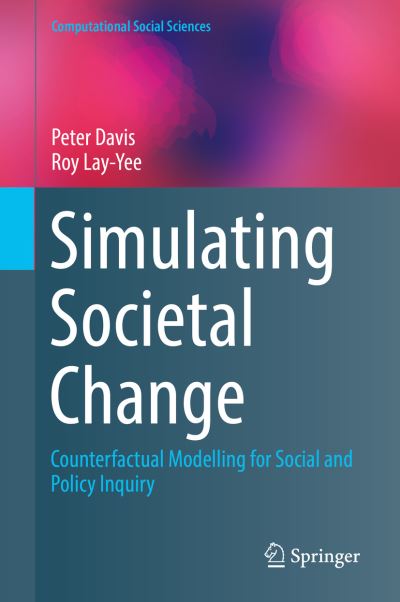
This book presents a method for creating a working model of society, using data systems and simulation techniques, that can be used for testing propositions of scientific and policy nature. The model is based on the example of New Zealand, but will be applicable to other countries. It is expected that collaborators in other countries can emulate this example with their data systems for teaching and policy purposes, producing a cross-national "collaboratory".
This enterprise will evolve with, and to a degree independently of, the book itself, with a supporting website as well as teaching and scientific initiatives. Readers of this text will, for the first time, have a simulation-based working model of society that can be interrogated for policy and substantive purposes.
This book will appeal to researchers and professionals from various disciplines working within the social sciences, particularly on matters of demography and public policy.
| ISBN: | 9783030047856 |
| Publication date: | 12th February 2019 |
| Author: | Peter Davis, Roy LayYee |
| Publisher: | Springer an imprint of Springer International Publishing |
| Format: | Hardback |
| Pagination: | 245 pages |
| Series: | Computational Social Sciences |
| Genres: |
Sociology Social research and statistics Population and demography Cybernetics and systems theory Public administration |
This book presents a method for creating a working model of society, using data systems and simulation techniques, that can be used for testing propositions of scientific and policy nature. The model is based on the example of New Zealand, but will be applicable to other countries.
Simulating Societal Change features in the following genres: Sociology, Social research and statistics, Population and demography, Cybernetics and systems theory, Public administration
Hardback. Not Available.
Simulating Societal Change was written by Peter Davis, Roy LayYee and published by Springer an imprint of Springer International Publishing
Simulating Societal Change has 245 pages
Yes it is part of Computational Social Sciences series