

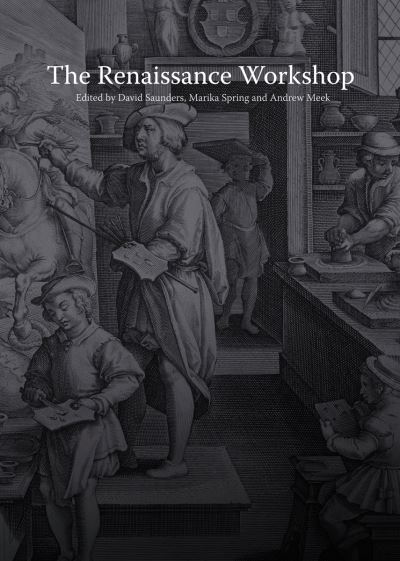
The papers in this volume illustrate the way in which various types of technical evidence, derived from scientific examination and analysis, can contribute to the understanding of Renaissance workshop practices and the inter-relationships between different artists and artisans. These studies provide a vivid insight not only into the organization of craft and artistic endeavour in studios and workshops, but also into the everyday lives and concerns of those who ran and worked within them, showing that a great number of the challenges facing these artists and craftsmen are still relevant today. Originality and individuality were balanced against a sense and knowledge of what would sell, and the temptation to replicate the popular competed with the desire to innovate. Artists sought to make the best use of scarce, expensive materials and perhaps balanced the lower costs of those sourced or produced locally against the merits (in the guise of quality and exoticism) of more expensive imports.
While the business of the studio is a common theme, another is intercommunication and the spread of ideas - between individuals, among studios and across national boundaries. The examination of materials and techniques has enabled some of these connections to be made, providing an insight into the transfer of concepts and practices as regional and traditional styles were influenced through contacts between cultures and generations.
| ISBN: | 9781904982937 |
| Publication date: | 1st September 2013 |
| Author: | British Museum |
| Publisher: | Archetype Publications |
| Format: | Paperback |
| Pagination: | 208 pages |
| Genres: |
History of art |
The papers in this volume illustrate the way in which various types of technical evidence, derived from scientific examination and analysis, can contribute to the understanding of Renaissance workshop practices and the inter-relationships between different artists and artisans. These studies provide a vivid insight not only into the organization of craft and artistic endeavour in studios and workshops, but also into the everyday lives and concerns of those who ran and worked within them, showing that a great number of the challenges facing these artists and craftsmen are still relevant today.
The Renaissance Workshop features in the following genres: History of art
Paperback. Not Available.
The Renaissance Workshop was written by British Museum and published by Archetype Publications
The Renaissance Workshop has 208 pages