

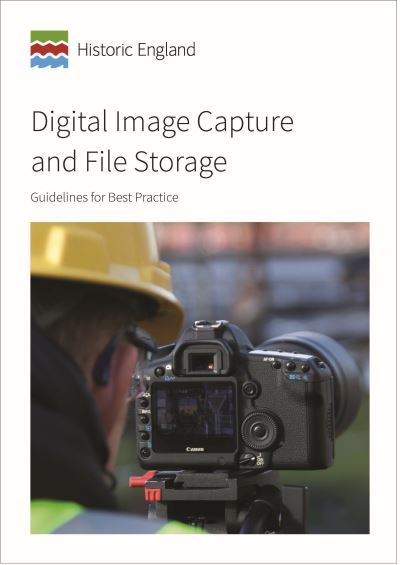
The silver-based emulsion and chemical process used successfully for many years for the capture and storage of images has now largely been superseded by the introduction of digital technology. The widespread use of digital cameras among imaging professionals, archaeologists and the general public has created a vast array of digital information. If this information is to be of use now and for future generations, it requires the application of a systematic approach to how it is captured and stored.
Digital technology is still in its infancy compared with the long-established technique of using silver-based emulsions on glass plate or film to produce images that have, with suitable development and storage, proven to be stable and enduring. Some would argue that our records should still be made in this way, but film is becoming more difficult to source. In addition, film-processing laboratories are disappearing from our high streets, making local processing a thing of the past in all but the largest cities. The tide has turned in favour of digital image capture, which offers many benefits that offset its unproven longevity. However, part of the problem with the digital environment is that its boundaries and possibilities are constantly changing. This publication offers guidance on digital image capture and storage to assist those involved with the making and keeping of images of the historic environment. It does not provide definitive answers regarding the problems of taking and storing digital images but does provide an overview of current recommendations.
| ISBN: | 9781848023871 |
| Publication date: | 29th July 2015 |
| Author: | Steve Cole, Paul Backhouse, Historic England |
| Publisher: | Historic England |
| Format: | Paperback |
| Pagination: | 13 pages |
| Series: | Historic England Guidance |
| Genres: |
Photographic equipment and techniques: general Photography and photographs |
The silver-based emulsion and chemical process used successfully for many years for the capture and storage of images has now largely been superseded by the introduction of digital technology. The widespread use of digital cameras among imaging professionals, archaeologists and the general public has created a vast array of digital information.
Digital Image Capture and File Storage features in the following genres: Photographic equipment and techniques: general, Photography and photographs
Paperback. Not Available.
Digital Image Capture and File Storage was written by Steve Cole, Paul Backhouse, Historic England and published by Historic England
Digital Image Capture and File Storage has 13 pages
Yes it is part of Historic England Guidance series