

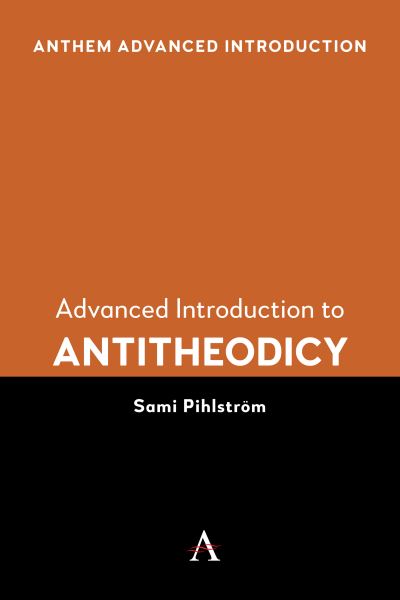
This book introduces the concept of antitheodicy and an approach that the author proposes to call antitheodicism as central elements of a critical ethical response to the problem of evil and suffering. While the mainstream debate on this problem in the philosophy of religion continues to focus on theodicies and "defenses" seeking to justify or excuse God's allowing that there is apparently meaningless suffering (which, then, ceases to be meaningless when we understand God's reasons for allowing this), this introduction not only explains why an antitheodicist alternative is ethically superior to such attempts but also, perhaps more importantly, extends the antitheodicist approach from the philosophy of religion to broader ethical engagements with suffering. Sketching some of the historical milestones of antitheodicist thought as well as the most important contemporary versions of antitheodicism, the book argues that antitheodicy is the only decent account of suffering and that theodicies are incompatible with ethical seriousness. Theodicies tend to instrumentalize suffering in the service of some imagined overall good, or a metaphysical scheme failing to recognize the individual perspective of the victim of suffering. The significance of this essentially ethical argument against theodicies reaches far beyond the philosophy of religion, as the theodicy versus antitheodicy opposition can be shown to take interesting secular varieties.
| ISBN: | 9781839996788 |
| Publication date: | 3rd March 2026 |
| Author: | Sami Pihlström |
| Publisher: | Anthem Press |
| Format: | Paperback |
| Pagination: | 142 pages |
| Genres: |
Ethics and moral philosophy Philosophy of religion Western philosophy from c 1800 |
This book introduces the concept of antitheodicy and an approach that the author proposes to call antitheodicism as central elements of a critical ethical response to the problem of evil and suffering. While the mainstream debate on this problem in the philosophy of religion continues to focus on theodicies and "defenses" seeking to justify or excuse God's allowing that there is apparently meaningless suffering (which, then, ceases to be meaningless when we understand God's reasons for allowing this), this introduction not only explains why an antitheodicist alternative is ethically superior to such attempts but also, perhaps more importantly, extends the antitheodicist approach from the philosophy of religion to broader ethical engagements with suffering.
Advanced Introduction to Antitheodicy features in the following genres: Ethics and moral philosophy, Philosophy of religion, Western philosophy from c 1800
Hardback, Paperback. £22.99. Not Available.
Advanced Introduction to Antitheodicy was written by Sami Pihlström and published by Anthem Press
Advanced Introduction to Antitheodicy has 142 pages
£22.99. Not Available.