

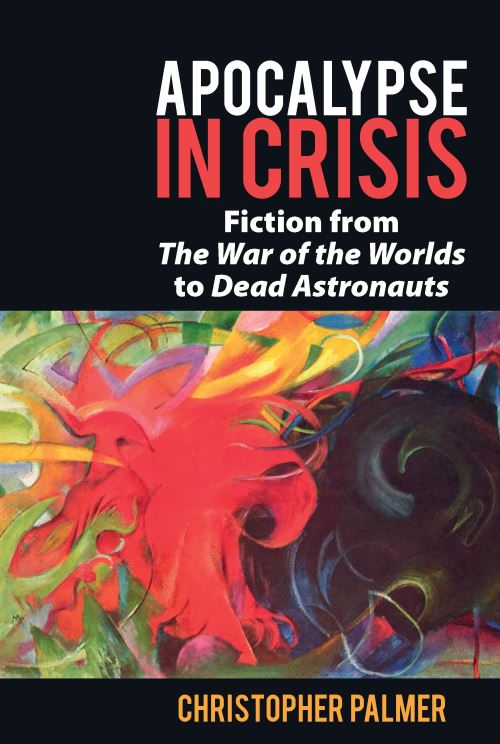
Apocalypse is traditional and familiar, and it is an actual threat; it is feared, desired, and banal. Apocalypse in Crisis discusses fictions from the 1940s to the present, examining shifts in the imagination of apocalypse from the postwar British disaster novels, through novels of the countercultural sixties, feminist interventions, and recent revisions and critiques. As empire fades, ideas of sexuality shift, and attitudes to nature and to the city change, so apocalyptic fictions change. The individual subject is asserted, immolated, transcended, abandoned; individual deaths are substituted for mass death; death is faked or erased. The subjects and survivors of catastrophe set about re-establishing civilization, or they abandon it, finding new ways of being and of dying; they respond to it when it comes from outside, as an invasion, or they are immersed in it, as it shifts from being an event to being a condition. They flee the city for the country, or accept that they must draw on the energies of the world city in order to survive.
The book includes detailed discussion of novels by H. G. Wells, George M. Stewart, Nevil Shute, John Wyndham, Arthur C. Clarke, J. G. Ballard, Brian Aldiss, Doris Lessing, Angela Carter, Anna Kavan, Arno Schmidt, Anthony Burgess, Ursula K. Le Guin, Tom Perrotta, Douglas Coupland, Don DeLillo, China Miéville, Jeff VanderMeer, and Kim Stanley Robinson.
| ISBN: | 9781835538043 |
| Publication date: | 6th August 2024 |
| Author: | Christopher Palmer |
| Publisher: | Liverpool University Press |
| Format: | Paperback |
| Pagination: | 352 pages |
| Series: | Liverpool Science Fiction Texts and Studies |
| Genres: |
Literary studies: fiction, novelists and prose writers Literary studies: c 1900 to c 2000 Literary studies: from c 2000 |
Apocalypse is traditional and familiar, and it is an actual threat; it is feared, desired, and banal. Apocalypse in Crisis discusses fictions from the 1940s to the present, examining shifts in the imagination of apocalypse from the postwar British disaster novels, through novels of the countercultural sixties, feminist interventions, and recent revisions and critiques.
Apocalypse in Crisis features in the following genres: Literary studies: fiction, novelists and prose writers, Literary studies: c 1900 to c 2000, Literary studies: from c 2000
Paperback, Hardback. Not Available.
Apocalypse in Crisis was written by Christopher Palmer and published by Liverpool University Press
Apocalypse in Crisis has 352 pages
Yes it is part of Liverpool Science Fiction Texts and Studies series