

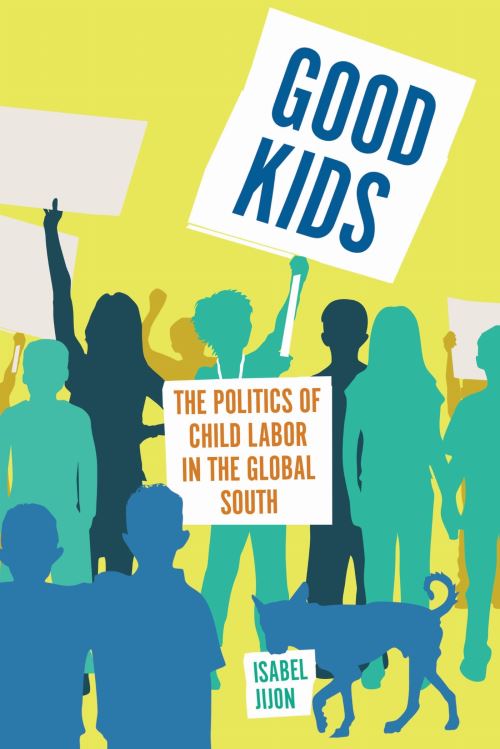
One in ten children worldwide is involved in some form of child labor. While almost half are in occupations that put their safety at risk, the other half have "gray" jobs like industrial farming or selling candy on the street. Children in these positions often defend the value of their work, and some even join social movements to demand the "right to work with dignity." In Good Kids, Isabel Jijon reveals how global campaigns against child labor are often met with resistance from the very children they are meant to protect. Conducting interviews in Bolivia and Ecuador with children who defend their labor, Jijon explores what they mean by "value," "rights," and "dignity" in this context. She finds that working children seek a sense of self-worth, as well as worthiness in their closest relationships; they use work to prove that they are "good sons/daughters," "good friends," or simply "good kids." Drawing, also, on interviews with reformers invested in ending child labor, Jijon produces a nuanced picture of the ways that global campaigns can, unintentionally, undermine these relationships and make working children feel stigmatized rather than protected. This fascinating and challenging study of moral meaning-making upends simple understandings of harm and worthiness in a vast but poorly understood labor market.
| ISBN: | 9781503641860 |
| Publication date: | 29th July 2025 |
| Author: | Isabel Jijón |
| Publisher: | Stanford University Press |
| Format: | Hardback |
| Pagination: | 190 pages |
| Series: | Culture and Economic Life |
| Genres: |
Social and cultural anthropology |
One in ten children worldwide is involved in some form of child labor. While almost half are in occupations that put their safety at risk, the other half have "gray" jobs like industrial farming or selling candy on the street.
Good Kids features in the following genres: Social and cultural anthropology
Paperback, Hardback. Not Available.
Good Kids was written by Isabel Jijón and published by Stanford University Press
Good Kids has 190 pages
Yes it is part of Culture and Economic Life series